What counseling can offer
Family therapy addresses:
- Communication patterns under stress
- Sibling dynamics and adjustment
- Grief, guilt, and anger processing
- Coping with caregiver fatigue
- Building a sustainable care routine

In one study, 42% of mothers of newborns with a brachial plexus birth injury screened positive for PTSD, against 5.3% of mothers of healthy full-term babies. If this has been harder than you expected, that is a documented pattern, not a personal failing.
Researchers at the University of Maryland screened three groups of mothers: 24 whose newborns had an obstetric brachial plexus injury, 14 with babies in the NICU, and 19 with healthy full-term babies. 42% of the brachial plexus group screened positive for PTSD symptoms. Among the full-term group it was 5.3%.
That difference, 36.4 percentage points, was statistically significant, and the brachial plexus mothers scored no better than the NICU mothers. The study’s authors concluded that clinics treating these injuries should be staffed with clinical social workers who can screen for and treat depression and PTSD, which is a plain acknowledgment that the standard care pathway does not currently do this. Knowing that changes what you ask for. For the condition itself, see our Erb’s palsy overview.
Caring for a child with a chronic condition demands emotional strength and practical coping strategies. Family counseling, support groups, and personal resilience-building together help families navigate the emotional and physical demands.
A brachial plexus injury usually happens during a difficult birth, often one involving shoulder dystocia, which our page on risk factors covers. Parents were present. Many describe replaying it, or carrying the sense that something was missed or mishandled, and guilt shows up repeatedly in the research on this group even when nothing the parent did contributed.
That is the mechanism behind the PTSD figures. It is a traumatic event with a visible ongoing reminder, which is a different experience from a diagnosis delivered later in a clinic. The diagnosis process often runs alongside those first weeks.
Ask whether the brachial plexus team has a clinical social worker or psychologist attached to it, because some specialist centers do and it is rarely offered unprompted. Ask your own doctor about screening for postpartum depression and PTSD specifically, and be direct that the birth was traumatic. Screening questionnaires take minutes and are the entry point to treatment that works.
Practical support counts too. Appointments cluster in the first six months, which is exactly when parents are least able to absorb them, so a written schedule and a second adult at the important visits are worth arranging early.
Counseling provides a platform for families to discuss concerns openly and develop strategies to cope with the emotional toll. Combined with support groups and other resources, it ensures families don’t face these challenges alone.
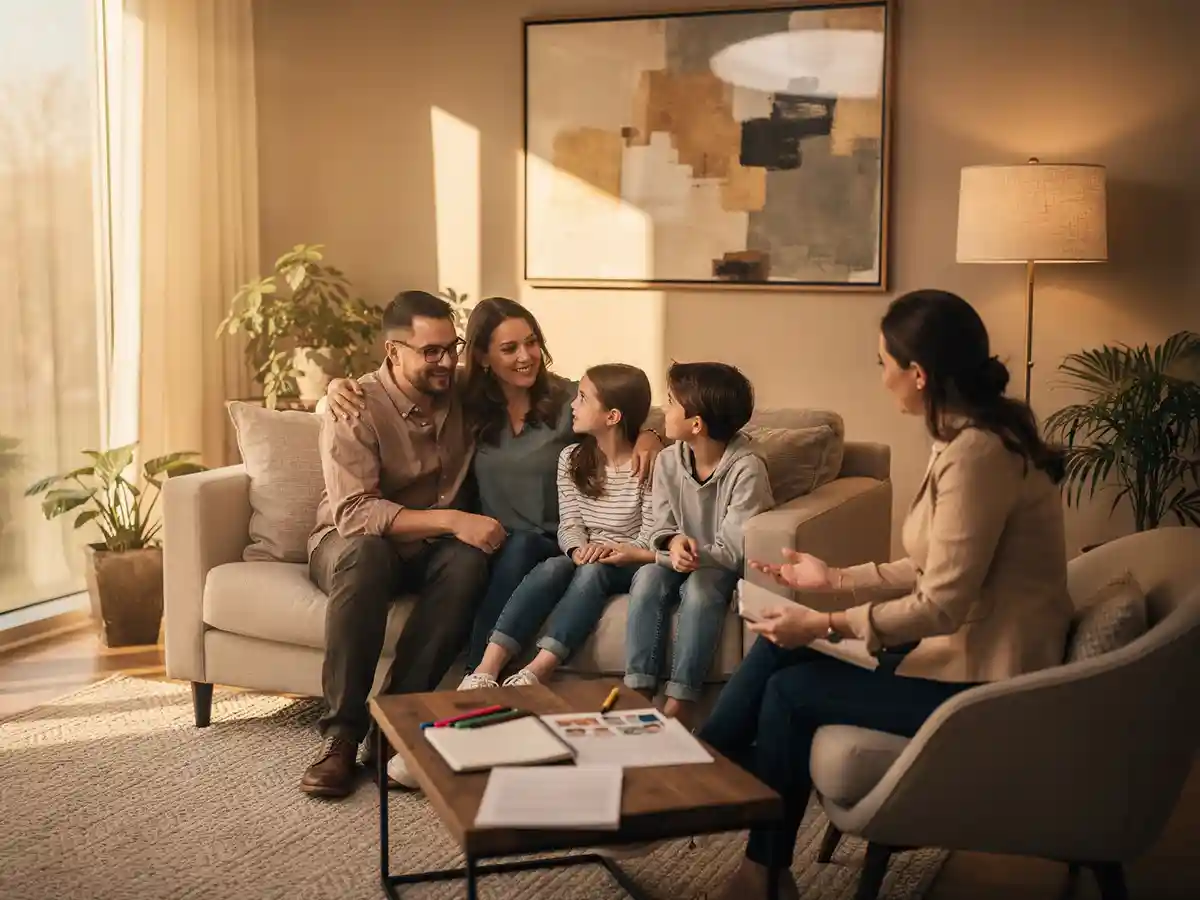
Family therapy addresses:
Two specialties are worth asking for by name. A perinatal mental health specialist works with birth trauma and postpartum conditions, which is the closest match to what the research describes. A pediatric health psychologist works with families adjusting to a child’s medical condition. Postpartum Support International maintains a provider directory and a helpline, and is a reasonable starting point if your obstetric practice has no referral.
Trauma-focused therapies for PTSD are established and time-limited, which surprises parents who assume counseling means open-ended talking. If a birth is the thing being replayed, say so at the first appointment, because it changes the treatment offered.
Support groups offer a sense of community and understanding. Parental guidance and practical tips are exchanged in these settings, complementing professional counseling and building lasting family connections.
The United Brachial Plexus Network is the established nonprofit in this space, founded by affected families, and it runs information resources, an awareness campaign, and connections between families. It is the first place worth looking, partly because brachial plexus birth injury is uncommon enough that most parents will never meet another affected family locally.
Specialist brachial plexus clinics are the other route. Because they concentrate cases, their waiting rooms do what a local support group cannot, and staff there can usually connect families directly.
One caution about online groups. They skew toward the difficult cases, since families whose child recovered fully tend to stop posting. That is worth remembering when a feed makes the outlook look uniformly bleak: upper trunk injuries account for around 60% of cases and recover spontaneously in up to 90%.
Mental health resources support both children and caregivers, addressing the psychological impact of living with a chronic condition. Community support complements therapy options for families with affected children.
Most of this page is about parents, because that is where the early burden falls. The picture shifts as the child grows. In a 2023 survey of 183 adults with brachial plexus birth injury, 73% reported an effect on overall quality of life, and what they named most often was self-esteem, relationships, and appearance rather than range of motion.
Two things follow. Adolescence, when appearance and difference matter most, is a point to check in rather than assume things are settled. And how the adult around them handles it registers: research on this group repeatedly finds that a parent’s reaction shapes the child’s. Getting your own support is not separate from caring for them.
Our page on the long-term effects of Erb’s palsy covers the physical side of that same survey.
Many emotional support resources are free: online forums, community support groups, and organizations dedicated to brachial plexus injury and Erb’s palsy. The first step is reaching out. Contact us for guidance on connecting with the right resources.
It is common and it is documented. In a study of mothers whose newborns had an obstetric brachial plexus injury, 42% screened positive for PTSD symptoms, against 5.3% of mothers of healthy full-term babies. The difference was statistically significant, and the rate matched that of mothers with babies in the NICU.
Because the injury usually happens during a difficult birth that the parents witnessed, and the child is a daily reminder of it. Guilt appears repeatedly in research on this group even where nothing the parent did contributed.
Ask whether the brachial plexus team has a clinical social worker or psychologist attached to it, and ask your own doctor to screen for postpartum depression and PTSD, saying plainly that the birth was traumatic. The study authors recommended these clinics be staffed for exactly this.
A perinatal mental health specialist works with birth trauma and postpartum conditions. A pediatric health psychologist works with families adjusting to a child’s medical condition. Postpartum Support International maintains a provider directory and a helpline.
The United Brachial Plexus Network is the established nonprofit, founded by affected families. Specialist brachial plexus clinics are the other route, because they concentrate cases and staff can connect families directly.
Online groups skew toward difficult cases, since families whose child recovered tend to stop posting. Upper trunk injuries are around 60% of cases and recover spontaneously in up to 90%, which a feed will rarely reflect.
Yes, and it shifts over time. In a 2023 survey of 183 adults with the injury, 73% reported an effect on quality of life, naming self-esteem, relationships and appearance most often. Adolescence is a point to check in rather than assume things are settled.
Kelsey is an experienced surgical nurse who works extensively with pediatric patients and families navigating birth injuries and cerebral palsy diagnoses. She is licensed by the Missouri Board of Nursing and operates under the Nurse Licensure Compact, allowing her to practice across compact-member states. As both a mentor and patient advocate, Kelsey focuses on safety, communication, and compassionate care: helping families understand medical procedures, treatment options, and the realities of pediatric conditions.
View Kelsey Pabst, RN's full bio →
Our nurses, patient advocates and legal experts are solely focused on bringing you the latest cerebral palsy information, options for financial assistance and access to community support.
Editorial process →The information on this page is provided for general educational purposes and is not a substitute for professional medical or legal advice, diagnosis, or treatment. Always seek the guidance of a qualified physician or attorney with any questions about a medical condition or legal matter. Read our full disclaimer.