There is no single “cerebral palsy diet”, but thoughtful nutrition can meaningfully support brain health, muscle function, digestion, and how well a child participates in therapy. Here’s what the research actually says.
Of children with CP experience feeding or swallowing difficulties
$1.7M
Average lifetime cost of CP in today’s dollars (CDC). Proper nutrition can reduce complications
The foundation of nutrition for brain health
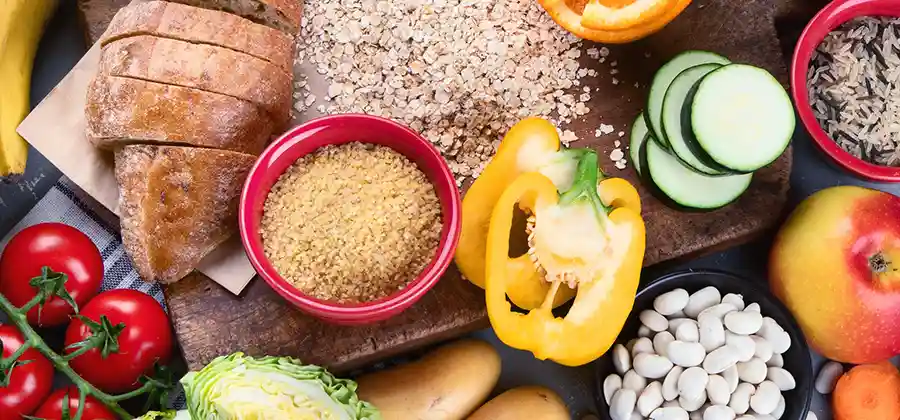
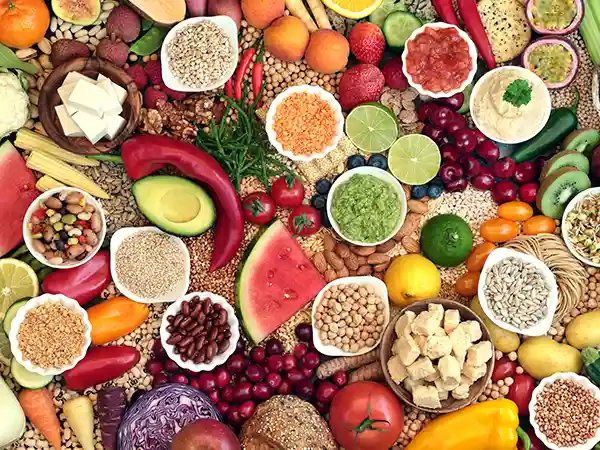
A cerebral palsy diet is a balanced plan built on six things: quality protein, healthy fats and omega-3s, fruits and vegetables, whole grains, hydration with fiber, and key micronutrients including iron, zinc, calcium and vitamin D. Texture and swallowing safety decide how each one is served.
There is no named regimen to follow. What changes with cerebral palsy is the arithmetic around those six: spasticity and involuntary movement push calorie needs up while feeding difficulty makes them harder to meet, and a child regaining lost weight needs roughly two grams of protein per kilogram of body weight a day.
Nutrition is often treated as an afterthought next to therapies, medication and equipment. It should not be. Diet drives energy levels, muscle function and digestion, and it decides how much a child gets out of cerebral palsy therapy in the first place.
Nutrition is often treated as an afterthought next to therapies, medication and equipment. It should not be. Diet drives energy levels, muscle function and digestion, and it decides how much a child gets out of cerebral palsy therapy in the first place.
A child’s brain uses more energy than any other organ, and that demand can be even higher in children with cerebral palsy. Muscle spasticity, involuntary movements, and inefficient motor patterns often increase calorie needs, while feeding difficulties can make adequate intake harder to achieve.
Research across pediatric neurology and rehabilitation consistently emphasizes a balanced intake of macronutrients (proteins, carbohydrates, and healthy fats) paired with sufficient micronutrients like iron, zinc, calcium, vitamin D, and B-vitamins. Omega-3 fatty acids, found in fish and some plant sources, are especially important for brain health and may support nerve signaling and inflammation regulation.
Hydration and fiber matter as much as calories, and swallowing safety sits underneath both. Difficulty swallowing is the function most tied to long-term outcomes in cerebral palsy, and it is not measured by any motor scale: of 349 deaths with cause data in a Western Australian population study, 58.6% were respiratory and pneumonia alone accounted for 171 of them, with aspiration recorded in 45% of those pneumonia deaths. A modified texture or a thickened liquid is doing serious work rather than catering to a preference. Many children with cerebral palsy also struggle with constipation due to reduced mobility, low fluid intake, or certain medications. Diets rich in fruits, vegetables, whole grains, and adequate fluids can ease gastrointestinal discomfort, which in turn improves comfort, sleep, and participation in therapy.
Nutrition is not a cure for cerebral palsy, but it is powerful support. When a child is well-nourished, physical therapy and occupational therapy often become more effective, growth is more consistent, and overall resilience improves.
What is the best diet for a child with cerebral palsy?
For most children, the best cerebral palsy diet is not a named plan but a personalized, balanced approach. Research and clinical guidance point toward the same six building blocks, tailored to each child’s texture needs, feeding abilities and growth goals.
Oatmeal, whole-grain bread, brown rice, quinoa, steady energy & fiber
Hydration & Fiber
Water, milk, fortified alternatives, high-fiber foods to prevent constipation
Key Micronutrients
Iron, zinc, calcium, vitamin D, B-vitamins, essential for growth & nerve health
Texture and feeding safety also matter significantly. Some children need modified textures, thickened liquids, or adaptive feeding strategies to eat safely and efficiently. Nutrition works best when coordinated with occupational therapy and speech-language therapy for swallowing.
Rather than chasing trends, the most effective cerebral palsy nutrition plan is one that grows with your child, adapts as needs change, and supports both medical care and everyday life.
How much protein does a child with cerebral palsy need?
Protein needs vary depending on age, growth, mobility, and muscle tone. Many children with CP need the same or slightly more protein than typically developing peers, because muscle spasticity, involuntary movements, and intensive therapy can increase both energy and protein demands.
For children who are significantly undernourished, nutritional needs often exceed standard recommendations. These children may require higher levels of both protein and calories to support catch-up growth and restore healthy weight gain. Research suggests that roughly two grams of protein per kilogram of body weight each day (along with an overall calorie increase of around one-fifth more than typical energy needs) can help support recovery and promote healthier growth patterns.
Protein supports muscle repair, immune function, and brain chemistry, making it central to CP nutrition. Sources such as eggs, dairy, poultry, fish, beans, and nut butters help meet these needs. A healthcare professional or registered dietitian can help tailor protein intake to your child’s specific growth and therapy goals.
Work with a registered dietitian
Children with CP have highly individual nutrition needs. A registered dietitian experienced with pediatric neurological conditions can assess your child’s calorie needs, texture requirements, and any micronutrient gaps. Ask your care team for a referral.
Is the carnivore diet helpful for cerebral palsy?
Not recommended for most children with CP
The carnivore diet (focused almost exclusively on animal products) has gained attention online for claims related to inflammation, muscle strength, and neurological health. Parents sometimes ask whether it could help children with cerebral palsy.
What the evidence says
At this time, there is no strong pediatric evidence supporting the carnivore diet as a safe or effective approach for children with CP. While protein is essential for muscle maintenance and repair, a diet that excludes fruits, vegetables, whole grains and fiber carries specific risks.
A restricted diet carries specific risks in this population. Deficiencies in vitamins C, E and K, folate and antioxidants are common where variety is limited. Constipation, already frequent in cerebral palsy because of reduced mobility and low fluid intake, worsens without fiber. Bone density suffers where calcium sources are missing, which matters more here than in most children because limited weight-bearing already puts bone at risk. And cardiovascular health becomes a live concern with age.
For most children with CP, the carnivore diet is not recommended as a primary nutrition approach without close medical supervision.
Vegan and plant-based diets for cerebral palsy
Can work, with careful planning and monitoring
Vegan or predominantly plant-based diets are another common topic among parents seeking natural ways to support living with cerebral palsy. When carefully planned, plant-based diets can provide many brain-healthy nutrients including antioxidants, fiber, and anti-inflammatory compounds.
Living with cerebral palsy
I am not vegan, but as someone with CP I do typically feel more clear-headed and stronger when I keep my diet leaning alkaline.
Children with CP often have higher needs for protein, calcium, iron, vitamin B12, and vitamin D, nutrients that can be harder to obtain from plant sources alone. For families who prefer a plant-forward approach, a flexible diet that includes selected animal products such as eggs, dairy, or fish often provides a safer balance.
Four nutrients need active attention on a plant-based diet. Vitamin B12 must be supplemented on a fully vegan diet, without exception. Iron from plants is non-heme and less readily absorbed, so pairing it with a source of vitamin C makes a measurable difference. Calcium and vitamin D require fortified plant milks or supplementation. And omega-3 fatty acids, ordinarily obtained from fish, can come from flaxseed, chia or an algae-based supplement.
The goal is not to follow a label, but to meet nutritional needs that support growth, energy, and therapy participation.
Is intermittent fasting recommended for cerebral palsy?
Not recommended for children, adult research doesn’t translate
Intermittent fasting (IF) is an eating pattern that cycles between eating windows and longer periods without calories. In adults, IF is being studied for brain health because it can shift the body toward using ketones for fuel, reduce oxidative stress, and activate cellular cleanup processes like autophagy, mechanisms that may support brain resilience in certain conditions.
Most of the strongest brain-health evidence for IF is preclinical (animal or lab models). Some studies suggest fasting patterns may reduce inflammation after traumatic brain injury and improve markers tied to learning and recovery. But this does not automatically translate to children with cerebral palsy. CP is typically caused by early brain injury involving long-term motor and developmental differences, not an active injury process that fasting can reverse.
For children, the biggest concern is that fasting can conflict directly with growth and nutritional needs. Many children with CP already face challenges with weight gain, muscle mass, bone density, constipation, and fatigue. Longer fasting windows may reduce total calories, protein, fluids, and key micronutrients, exactly what many children with CP need more of consistently. And for children with feeding or swallowing difficulties, restricting eating times can make it harder to meet daily requirements safely.
Intermittent fasting is not considered a standard cerebral palsy treatment tool, and it may carry meaningful risks for children without close medical supervision.
Does gut health affect cerebral palsy?
“Gut health” is more than digestion: it includes the balance of bacteria in the intestines (the microbiome), the integrity of the gut lining, and how the gut communicates with the brain through immune, hormonal, and nerve pathways. This gut–brain axis is increasingly studied in neurodevelopmental conditions.
For children with cerebral palsy, gut health matters for very practical reasons: constipation, reflux, slower gut motility, medication side effects, feeding difficulties, and limited mobility can all disrupt digestion and appetite. Emerging studies also suggest that children with CP may show measurable differences in gut microbiota composition, and that care patterns, diet, and medical factors can influence those microbial communities.
Researchers are exploring whether these differences relate to inflammation, nutrient absorption, sleep, and aspects of mood and comfort, factors that can indirectly affect participation in therapy and daily function.
Are gut-health diets beneficial for children with CP? Often yes, when they’re practical and not extreme. Diet patterns that support regular bowel habits (adequate fluids, fiber when tolerated, and nutrient-dense foods) can improve comfort and energy. But highly restrictive “gut protocols” or unproven supplement stacks may backfire if they reduce calories, protein, or essential vitamins. The best approach is a CP-friendly gut plan built around safe textures, hydration, constipation prevention, and individualized guidance from your child’s medical and feeding team.
Constipation in CP is common and manageable
Constipation affects a large proportion of children with cerebral palsy, driven by reduced mobility, low fluid intake, medication side effects and low muscle tone in the gut wall. It can cause discomfort, disrupt sleep, and reduce participation in therapy. Adequate fiber, fluid, and in some cases medication can provide significant relief. Discuss a bowel management plan with your child’s pediatrician.
Effects of processed foods on cerebral palsy
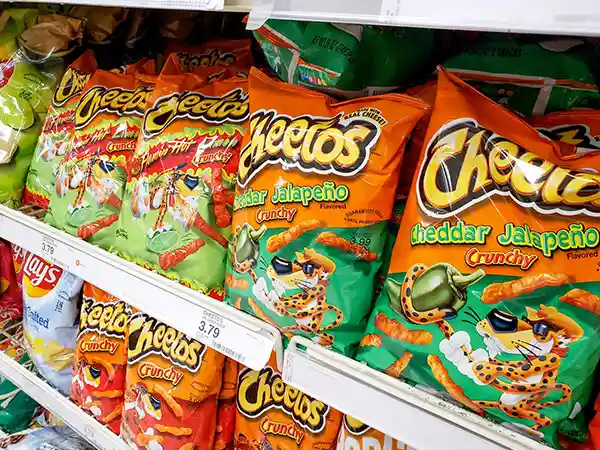
Processed foods range from minimally processed (frozen vegetables, yogurt) to ultra-processed foods (UPFs): industrially formulated products with additives, refined starches, high sugar and salt, designed for shelf life and palatability. For children with CP, the concern is primarily about what UPFs crowd out.
Why UPFs are a concern for CP nutrition
Research increasingly links high ultra-processed food intake to inflammation and poorer cardiometabolic health. For children with CP specifically, the concern is not that a snack food “causes CP”: it’s that diets dominated by ultra-processed food crowd out the nutrient density children with cerebral palsy need.
Whatever the diet, the same priorities apply: protein quality for muscle repair and growth, iron and zinc for energy and immune function, calcium and vitamin D for bone health, fiber for managing constipation, and healthy fats for brain and nerve development. Undernutrition is not a cosmetic problem here. It weakens the respiratory muscles behind an effective cough, and a weak cough is what turns an ordinary infection into the pneumonia that dominates the mortality data.
If a child’s diet is low in protein and micronutrients, it can be harder to build the strength and endurance needed for therapy. Nutrition supports therapy progress: it doesn’t replace it.
Tips for CP parents navigating picky eating
Picky eating is common in all children, but it can be especially challenging in children with cerebral palsy due to sensory sensitivities, oral-motor difficulties, fatigue from eating, or past negative feeding experiences. Consistency matters more than perfection.
Several feeding strategies have real support behind them. Keep meals and snacks on a predictable schedule, which reduces mealtime anxiety. Offer new foods repeatedly without pressure, because acceptance commonly takes 10 to 15 exposures and pressure reliably backfires; serving the new food alongside a preferred one works better than replacing it. Progress textures gradually, from purées to soft solids to more challenging textures, rather than in jumps, which matters most for children with oral-motor difficulty. Keep mealtimes calm, since a stressed child eats less overall, and eating together at a table without screens helps. Involve the child in small choices, even which fruit goes into a smoothie. Work with an occupational therapist or speech-language pathologist who specializes in feeding, since oral sensorimotor therapy is among the interventions with demonstrated effect in the 2019 evidence review. And treat a single new food tried once as progress, because that is what progress looks like here.
A plan that grows with your child
Nutrition is not a replacement for cerebral palsy therapy, but it is a powerful partner. A thoughtful diet can support brain health, muscle function, digestion, and overall quality of life for children living with cerebral palsy.
There is no one-size-fits-all answer, and parents should be cautious of extreme diets or viral trends promising dramatic results. The strongest evidence continues to support balanced, individualized nutrition plans that evolve with your child’s needs and work alongside medical care and therapy.
If you’re exploring ways to support your child’s CP treatment through nutrition, start with knowledge, flexibility, and professional guidance. Ask your child’s care team for a referral to a registered dietitian with pediatric experience, it’s one of the most practical steps you can take.
Help funding your child’s care
If your child’s cerebral palsy was caused by a medical error, a birth injury claim may provide compensation for therapy, nutrition support, adaptive equipment, and long-term care costs. Contact us today for a free, confidential review.
Diet for adults with cerebral palsy
Adults with cerebral palsy need the same balanced, texture-appropriate plan that children do, with three things watched more closely: swallowing safety, bone health and cardiometabolic risk. Feeding difficulty does not end at 18. Pooled across 42 studies, swallowing problems affect about half of people with cerebral palsy across the lifespan.
Almost everything written about cerebral palsy and food is written for parents of young children, which leaves adults reading advice about purees and picky eating when their actual questions are about fatigue, weight and staying out of hospital. The gap in the literature is real too. Most nutrition research in cerebral palsy stops at adolescence.
What the evidence does establish is that feeding problems persist. A meta-analysis of 42 studies covering the whole lifespan put swallowing problems at 50.4% and feeding problems at 53.5%, both more common with more severe motor impairment. An adult who has been coughing at mealtimes for years, or who has quietly dropped foods that are hard to manage, is describing a clinical problem with a treatment, not a personality quirk.
What to prioritize
Have swallowing reassessed if eating has changed, since aspiration risk rises with age and nobody screens for it automatically once pediatric care ends. Ask about bone health, because reduced weight-bearing and long-term anticonvulsant use both work against bone. Keep an eye on cardiometabolic markers: in a study of 8,011 adults with cerebral palsy, diabetes carried a hazard ratio of 2.69 and hypertension 1.54 for advanced kidney disease, which is a reminder that ordinary adult conditions are what many people with cerebral palsy end up managing.
Protein and calorie targets for adults should come from a dietitian who has measured something, not from a figure on a website. Energy needs vary enormously with mobility, muscle tone and body composition, and the two grams per kilogram figure quoted earlier on this page is a catch-up growth target for undernourished children rather than an adult recommendation.
If you are an adult with cerebral palsy and have not seen a dietitian since childhood, that is the appointment to ask for. Bring a week of what you actually eat, and the list of foods you have stopped eating.
Frequently asked questions about cerebral palsy diet & nutrition
The best foods for children with cerebral palsy support growth, muscle function, digestion, and brain health while matching the child’s swallowing abilities. A balanced CP diet typically includes high-quality protein (eggs, fish, poultry, beans, dairy), healthy fats like omega-3-rich foods, colorful fruits and vegetables for vitamins and antioxidants, whole grains for steady energy, and adequate fluids for digestion. Texture and calorie density often need to be adapted to meet a child’s specific needs safely.
Diet and nutrition cannot cure cerebral palsy, but they play an important supportive role in overall care. Proper CP nutrition helps maintain energy levels, supports muscle strength, promotes healthy bone development, and improves digestion and comfort. Good nutrition can also make physical, occupational, and speech therapy more effective by ensuring a child has the fuel needed to participate and recover. For some children, addressing nutrient deficiencies or feeding challenges can reduce fatigue, constipation, or poor weight gain.
Fruit plays an important role in CP nutrition through vitamins, antioxidants, fiber, and hydration. Berries are especially helpful for their brain-supporting antioxidants. Bananas are well tolerated and provide potassium for muscle function. Soft fruits like peaches, pears, and mango are easier for children with chewing or swallowing challenges. Fruit can be served mashed, cooked, or blended into smoothies to better meet individual CP diet needs while still delivering important nutrients.
The best drink for brain development is usually plain water, supported by milk or fortified milk alternatives when appropriate. Adequate hydration is essential for concentration, digestion, and overall neurological function. Milk provides protein, calcium, and vitamin D for bone and brain development. Smoothies made with fruit, yogurt, and healthy fats can help meet higher calorie needs. Sugary drinks should be limited, as they add calories without meaningful nutrients and may displace appetite for balanced meals.
Foods that support brain health are especially important in a CP diet. These include omega-3-rich sources (salmon, sardines, walnuts, flaxseed) which support nerve function and brain structure, colorful fruits and vegetables that provide antioxidants protecting brain cells, whole grains supplying steady glucose, and adequate protein for neurotransmitter production and brain development. Combined in a balanced approach, these foods support both cognitive function and overall neurological health.
For children with CP who have swallowing difficulties (dysphagia), food safety is as important as nutrition. Softer, moist foods that hold together (yogurt, oatmeal, mashed vegetables, scrambled eggs, smooth casseroles) are often easier to manage. Thickened liquids may be recommended to reduce choking risk. Calorie-dense options help meet nutritional needs without requiring large food volumes. Because swallowing abilities vary widely, CP nutrition plans for dysphagia should always be individualized with guidance from a speech-language pathologist or feeding specialist.