Alternative and complementary therapies can meaningfully expand your child’s treatment toolkit: improving strength, balance, mood, and quality of life when used alongside traditional PT, OT, and speech therapy. They are tools, not substitutes, and the best ones are chosen thoughtfully with realistic expectations.
Alternative therapies should add to PT, OT, and speech, never replace them
$50–$200+
Typical session cost for alternative therapy, often paid out-of-pocket
Infancy+
Many complementary therapies like aquatic therapy can begin as early as infancy
How important is therapy for cerebral palsy?
A 2019 systematic overview graded every cerebral palsy intervention published between 2012 and 2019. Among the complementary approaches, hippotherapy, fitness training and environmental enrichment came out with demonstrated effect. Most of the rest did not. That grading is the most useful thing a family can hold before spending money on an alternative therapy.
Therapy, conventional or complementary, works on neuroplasticity, the ability of the brain to reorganize, and it works over time rather than in one session. Alternative therapies belong on top of that foundation, never in place of it.
Consistent therapeutic input helps children with CP build strength, coordination, and control; maintain range of motion and joint flexibility; learn functional skills like walking and grasping; adapt to assistive technologies; and prevent secondary complications like contractures, pain, and scoliosis. Without it, many children lose ground, and that is measurable rather than rhetorical: gross motor function at GMFCS levels III, IV and V peaks around age seven and then declines by 4.7 to 7.8 GMFM-66 points, while levels I and II hold steady.
Alternative therapies are additions, not substitutes. Aquatic therapy, hippotherapy, or music therapy can meaningfully supplement a core plan of physical therapy, occupational therapy, and speech therapy, but cannot replace them.
Alternative vs. traditional therapy for CP: what’s the difference?
Understanding the distinction between traditional and alternative therapies helps families make informed decisions about what to pursue, in what order, and with what expectations.
Traditional therapies, meaning physical therapy, occupational therapy, speech therapy and standard orthotics, have established protocols, are commonly accepted in medical practice, and are supported by substantial clinical evidence. They are the foundation of CP care and are typically covered by insurance and Medicaid.
Alternative or complementary therapies are treatments outside or adjunct to conventional care. They are often less standardized, less rigorously researched, or used based on anecdotal experience. Key differences to be aware of:
The evidence base is usually thinner: case reports, small studies and anecdote rather than large randomized trials. Protocols vary between providers, so two clinics offering the same named therapy may be doing different things. Risks and interactions with existing medications are less well characterized. Insurance coverage is limited and families often pay directly. And the realistic goal is symptom relief or an incremental functional gain rather than a dramatic change. That said, the line between alternative and conventional is not the same as the line between unproven and proven. A 2019 systematic overview that graded every cerebral palsy intervention published between 2012 and 2019 found demonstrated effect for hippotherapy, fitness training, environmental enrichment and aquatic-style approaches that qualify as task-specific or weight-bearing training. Several therapies commonly grouped as alternative are better supported than their reputation suggests, and several are not.
Types of alternative therapy for cerebral palsy
The therapies below are organized by their current evidence base. Evidence badges show where the science stands today. This can shift as research matures. Always ask: what is the plausible mechanism, are there risks, and how will progress be measured?
Aquatic Therapy (Hydrotherapy)
Stronger Evidence
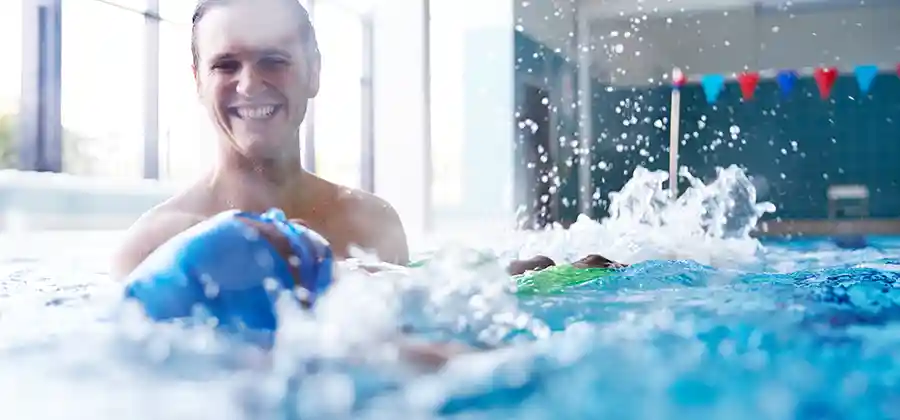
Water buoyancy supports body weight and reduces gravitational strain, enabling movement that may be harder on land. Multiple studies report improved gross motor function, balance and enjoyment, and the underlying mechanisms, weight-bearing and task-specific training, both appear among the interventions with demonstrated effect in the 2019 evidence review. One of the most accessible and best-tolerated options on this page.
Hippotherapy / Equine-Assisted Therapy
Stronger Evidence
Riding or interacting with horses engages posture, balance, core muscles, and sensory input. Studies report benefits in trunk control, gait and motivation, and hippotherapy is named outright among the effective allied health interventions in that same review, which puts it on firmer ground than most of this page. Best delivered by a certified therapeutic riding instructor working with the therapy team.
Virtual Reality & Robotics Therapy
Stronger Evidence
Interactive digital and robotic systems let children practice movements through play. Evidence supports improvement in upper limb function, gait, and motivation. Increasingly used as a standard adjunct in pediatric rehab centers rather than purely “alternative.”
Music & Neurologic Music Therapy
Emerging Evidence
Rhythm, movement, and auditory feedback reinforce motor patterns, rhythmical timing, and engagement. Newer reviews suggest it may meaningfully complement physical rehabilitation by synchronizing movement to rhythmic cues.
Therapy Suits (Adeli, TheraSuit)
Emerging Evidence
Wearable garments with elastic bands designed to give resistance or sensory feedback during movement. Some trials report improvements in alignment, muscle activation, and gait, but evidence is mixed and often short-term. Often delivered in intensive “boot-camp” blocks.
Massage & Myofascial Release
Emerging Evidence
Manual therapies ease muscle stiffness, reduce discomfort, improve circulation, and support flexibility. Widely used by families as a complementary tool. Evidence is primarily observational, but tolerability is high and risks are low when performed by trained therapists.
Yoga, Tai Chi & Mind-Body Approaches
Emerging Evidence
Gentle postures, breathing exercises, and movement foster body awareness, core strength, and relaxation. Anecdotal reports suggest benefit for spasticity, mood, and flexibility. Rigorous trials in CP specifically are still limited.
Hyperbaric Oxygen Therapy (HBOT)
Limited Evidence
Sometimes proposed to deliver more oxygen to brain tissue. Some families report anecdotal improvement, but most medical authorities caution that HBOT has not been shown conclusively to benefit CP in clinical trials. Exercise significant caution before pursuing.
Acupuncture
Limited Evidence
Sometimes used for pain relief or spasticity management. Evidence in CP specifically is sparse and mixed. Some families use it as a wellness complement. Risks are generally low when performed by a licensed acupuncturist experienced with children.
Craniosacral & Energy Therapies
Limited Evidence
Craniosacral therapy, Reiki, Qigong, and similar modalities are used by some families as wellness support tools. Evidence supporting their use specifically for CP remains low. Used primarily for relaxation and sensory comfort rather than motor goals.
Recreational therapy for cerebral palsy
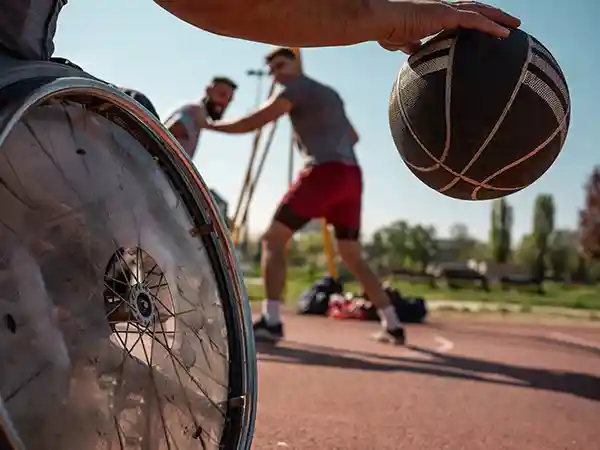
Recreational therapy encourages children to participate in leisure, play, and adapted recreational activities (swimming, adaptive sports, art, dance, or outdoor play) under the guidance of a trained recreational therapist. It occupies a unique space between therapy and joy.
Benefits of recreational therapy
Motivation is the first mechanism: children engage more willingly when movement is framed as play rather than work, and adherence is most of what determines whether therapy achieves anything over years. Group settings build confidence and peer connection, which matters for a population where anxiety and depression run above the general rate. Balance, coordination and strength practised in a recreational setting carry over into everyday tasks, and fitness training and task-specific training both appear on the evidence list in their own right. And recreation reduces stress, which is not a soft outcome when the alternative is a childhood organized entirely around appointments.
Adaptive dance, swimming, horseback riding, basketball, and art programs are widely available. Look for certified therapeutic recreation specialists (CTRS) who can align recreational goals with your child’s therapy aims. Community settings like YMCAs and adaptive sport leagues often offer these programs at lower cost than clinical settings.
How early can you start alternative therapy?
In general, the earlier therapeutic intervention begins the better, and this applies to many alternative modalities as well, provided the child’s medical stability allows it.
In infancy, once a child is medically stable, aquatic work, gentle movement and parent-guided massage are the realistic options, and this is also the window when neuroplasticity is highest. Through toddlerhood, more structured approaches such as gentle suit therapy or music movement therapy become practical as motor development progresses. In early childhood, hippotherapy, adaptive yoga and virtual-reality systems become appropriate once a child can follow instructions and hold a position. From school age onward the range widens considerably, into adaptive sports, recreational therapy and technology-assisted interventions.
The key is adjusting intensity and technique to match developmental readiness. Starting too early in an inappropriate modality (e.g. high-resistance suit therapy when joints are not ready) may increase risk. Always begin under guidance of experienced therapists who can adapt to the child’s age and physical state.
How often is alternative therapy needed?
Frequency varies widely by therapy type, the child’s age and capacity, and the goals being targeted. Consistency matters, but sustainability does too.
Intensive Blocks
Daily / 5x week
Boot-camp models like suit therapy clinics run daily sessions over 2–4 week periods.
Ongoing Schedule
2–3x / week
Common for aquatic therapy, hippotherapy, music therapy, and adaptive yoga.
Maintenance
Weekly–biweekly
Once gains are established, reduced frequency maintains progress and prevents regression.
Document progress carefully (with video, standardized assessments, and therapy logs), so you can objectively gauge whether the frequency is delivering results. Many alternative therapies are resource-intensive; families sometimes fatigue or struggle with scheduling. Build a sustainable plan rather than an ambitious one that can’t be maintained.
How alternative therapy needs change over time
Alternative therapeutic needs evolve as your child grows. What works in infancy looks very different from what helps at school age or in adolescence. Constant reassessment is the key.
The pattern across a childhood is a shift in what the therapy is for. Low-load approaches dominate infancy and toddlerhood: aquatic therapy, parent-guided movement, massage and gentle yoga aimed at sensory and postural foundations. Locomotor approaches arrive in early childhood as a child begins walking and exploring, which is where hippotherapy and suit therapy fit. Through middle childhood and adolescence the emphasis moves to maintenance, injury prevention and pain relief, and that shift is grounded in real data: gross motor function at GMFCS levels III, IV and V peaks around age seven and then declines, while levels I and II hold steady. And into adulthood, adaptive fitness and assistive technology take over as intensive modalities become impractical.
Be flexible and willing to pivot. Regularly revisit goals and ask whether each therapy still adds value relative to its cost in time, fatigue, and money. What helped at age 5 may not be the best choice at age 15.
Insurance & Medicaid coverage for alternative therapy
Insurance coverage for alternative therapies is highly variable and often limited. Most are categorized as experimental or not medically necessary, making reimbursement difficult. Plan for most alternative therapies being primarily out-of-pocket.
Coverage follows billing codes rather than merit, which is worth understanding before paying out of pocket. Physical, occupational and speech therapy and durable medical equipment are commonly covered when documented as medically necessary. Aquatic therapy is often covered when a licensed physical therapist delivers it in an appropriate pool and bills it as physical therapy. Hippotherapy is reimbursable in some states on the same logic, when a licensed therapist uses equine movement as a treatment tool and bills it as physical or occupational therapy. Music therapy, yoga, suit therapy and hyperbaric oxygen are generally not covered by standard insurance or Medicaid. Home and Community-Based Services waivers sometimes authorize what standard plans decline, depending on state policy and documented need.
Always request prior authorization in writing, obtain clinical justification from your child’s physicians, and appeal denials proactively. Some providers submit “Superbills” for partial reimbursement. Community programs, nonprofits, and grants often provide access to alternative therapies at reduced or no cost, see our disability benefits guide for resources.
A legal award can fund alternative therapy
Because insurance rarely covers these therapies, a birth injury legal award can be a decisive source of funding for years of aquatic therapy, hippotherapy, and other complementary care. Get a free case review to find out if your family qualifies.
What’s coming in alternative CP therapy over the next 5 years
Research in CP therapy is advancing fast. Several emerging technologies are positioned to shift from “alternative” to mainstream adjuncts within the next few years.
Integrative robotics and exergaming. Affordable, sophisticated games with motion sensors and robotic limb supports are merging play and therapy. Children practice movements while engaged in interactive digital challenges, significantly improving motivation and session compliance.
Non-invasive brain stimulation. Transcranial magnetic stimulation and direct current stimulation are being studied in CP cohorts, looking to enhance motor learning when paired with movement training. Early results are promising for augmenting conventional therapy gains.
Wearable sensors and soft exoskeletons. Garments with embedded sensors provide real-time haptic feedback during everyday movement, nudging correct posture and gait. Soft exoskeletons may soon assist limb movement continuously during daily life, not just during therapy sessions.
Machine-assisted therapy and pain detection. Machine learning models may soon identify optimal therapy dosages, tailor sessions in real time, or detect early warning signs of overuse. Facial pain-recognition algorithms for people with CP may feed into better monitoring during therapy.
Teletherapy and digital hybrid models. Remote and hybrid delivery combining in-person and virtual therapy will expand access to innovative adjuncts: guided virtual yoga, sensor-based home exercises, and remote feedback coaching reaching families who previously lacked access.
7 guiding principles for families exploring alternative therapy
When your child faces a CP diagnosis or ongoing challenges, it’s natural to seek every avenue of support. These principles help ensure that exploration is thoughtful, safe, and genuinely beneficial.
1
Start with a solid foundation. Establish evidence-based therapies (PT, OT, speech) first. Alternative therapies are supplements, not substitutes. A child whose core therapy is inconsistent will not maximize gains from adjuncts.
2
Ask critical questions. What is the plausible mechanism? What are the risks? How will progress be measured? Will this therapy interfere with or complement existing treatments?
3
Start small and track carefully. Begin with brief trials and collect objective data (video, standardized scales, therapy logs), so you can objectively assess benefit before committing to long-term expense.
4
Coordinate with your medical team. Be transparent with your child’s physicians and therapists so everyone can watch for interactions, fatigue, or overuse. A therapy that works in isolation may not fit well with other active treatments.
5
Plan for sustainability. Choose therapies you can afford financially and logistically over years, not just months. An intensive 4-week program that can’t be maintained long-term may have less impact than a moderate ongoing approach.
6
Stay up to date. Research in CP is evolving rapidly. What is “alternative” today may become standard care within five years. Ask your neurologist or physiatrist about new evidence at each visit.
7
Trust your child’s response. If fatigue increases, enjoyment drops, or gains plateau, reevaluate. The best therapy is one that serves the child, not the plan.
Frequently asked questions about alternative therapy for CP
Therapies used alongside conventional physical, occupational and speech therapy rather than instead of them: aquatic therapy, hippotherapy, music therapy, adaptive yoga, suit therapy, virtual reality systems and adaptive sports. The label describes how they are billed and delivered more than how well they work, and some of them have better evidence than the category implies.
Unevenly, and it is worth asking about each one by name. A 2019 systematic overview grading every cerebral palsy intervention published between 2012 and 2019 found demonstrated effect for hippotherapy, fitness training and environmental enrichment. It did not find support for hyperbaric oxygen therapy, which is the one most often marketed directly to families and among the most expensive.
Because the goals are different. Conventional therapy targets specific functional deficits and is covered by insurance; these approaches more often target engagement, fitness and wellbeing, and are usually paid for directly. The strongest argument for them is adherence: a child who will get on a horse or into a pool every week is getting more therapy than a child who resists a clinic.
Some can begin in infancy once a child is medically stable, particularly aquatic work and parent-guided movement. Hippotherapy and yoga generally wait until a child can follow instructions and hold a position, usually early childhood. Adaptive sports open up from school age. Starting early matters for the same reason it does in conventional therapy: neuroplasticity peaks across the first three years.
Mostly not. Aquatic therapy is often covered when a licensed physical therapist delivers and bills it as physical therapy, and hippotherapy is reimbursable in some states on the same basis. Music therapy, yoga, suit therapy and hyperbaric oxygen are generally not covered. Home and Community-Based Services waivers occasionally authorize them where a state permits and need is documented.
Ask what evidence supports it specifically, what it costs over a year, and what it would displace. The last question is the one families skip: money and hours spent on an unsupported therapy come out of the budget for the supported ones. Discuss anything new with the care team before committing, and track progress against a defined goal rather than an impression.