Deep brain stimulation (DBS) is best known as a treatment for Parkinson’s disease. For a specific group of children and young adults with cerebral palsy, those whose brain injury causes dystonia, the relentless, often painful involuntary muscle contractions of dyskinetic CP, researchers have been studying whether DBS can bring relief.
The latest evidence is cautiously encouraging, with important caveats.

“For children whose cerebral palsy causes relentless, painful muscle spasms, even a partial reduction in dystonia can mean real gains in comfort and daily life.”
— Cerebral Palsy Center Editorial Team
What deep brain stimulation does
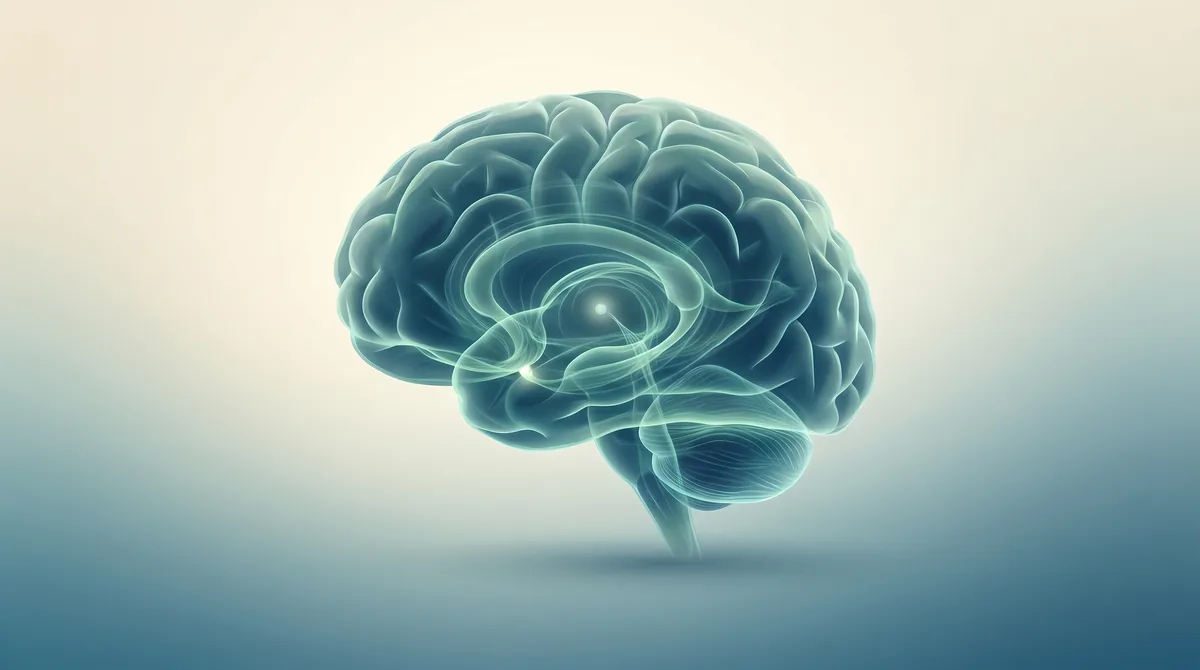
DBS uses a surgically implanted device to deliver gentle electrical pulses to specific brain regions. It is well established for Parkinson’s disease and primary dystonia. The question researchers are exploring is whether it can also help the dyskinetic or dystonic form of cerebral palsy, not the more common spastic form.
Understanding dystonia in dyskinetic CP
To understand why DBS is being studied here, it helps to understand dystonia. In dyskinetic cerebral palsy, the injured brain sends faulty signals to the muscles, causing them to contract involuntarily and pull the body into twisting postures or repetitive movements. These contractions can be constant, exhausting, and genuinely painful, and they can make sitting, speaking, eating, and sleeping difficult.
Standard treatments: oral medications, botulinum toxin injections, and in some cases a baclofen pump that delivers medication to the spinal fluid: can take the edge off, but they do not work for everyone, and some carry side effects of their own. For children and young adults whose dystonia stays severe despite these measures, DBS has emerged as a possible next option to explore.
When DBS is considered
DBS is not an early or routine step. It generally comes into the conversation only when dystonia is severe and disabling and when the standard approaches (oral medications, botulinum toxin injections, and often an intrathecal baclofen pump) have been genuinely tried and have fallen short. Even then, candidacy depends on the individual: the type and pattern of the movement disorder, the child’s overall health, brain imaging, and whether the family and care team share realistic goals.
Because every child is different, there is no simple checklist that says “yes” or “no.” The decision is made case by case by a specialized team, and a thorough evaluation beforehand is part of doing it responsibly.
How the procedure works
DBS involves three parts. A neurosurgeon places one or two thin electrodes (leads) into a precise deep-brain target, usually using detailed imaging and careful planning for accuracy. The leads connect under the skin to a small battery-powered pulse generator implanted near the collarbone, much like a pacemaker. After healing, a specialist programs the device from outside the body, gradually adjusting the stimulation settings over weeks or months to find what helps most with the fewest side effects.
Importantly, DBS is adjustable and, in principle, reversible (the stimulation can be tuned or turned off), which is part of why it is considered for carefully selected patients. But it is still brain surgery, with real risks, and the benefits in cerebral palsy can take many months to appear.
What the latest evidence shows
A 2025 review in Experimental Biology and Medicine pooled 19 studies of 148 patients and found that DBS significantly improved dystonia related to cerebral palsy, with dystonia-severity scores improving by about 20% on average. The most established brain target is the globus pallidus internus (GPi), with newer targets such as the cerebellum under study.
Crucially, the authors caution that results in cerebral palsy (an “acquired” dystonia) are generally less dramatic than in genetic or idiopathic dystonia, and outcomes vary considerably from one person to the next. DBS is a major surgical decision reserved for carefully selected patients. Learn about other approaches on our treatment overview and surgical treatments pages.
Why CP dystonia responds differently
One of the most important findings is also one of the most nuanced. In primary dystonia, where the brain’s structure is largely intact, DBS can produce striking improvement. In cerebral palsy, the dystonia is “acquired” (it stems from an earlier injury that has already changed the brain’s wiring), so the same stimulation tends to produce smaller, more variable gains.
That does not make DBS pointless for CP; a 20% average reduction in severe dystonia can translate into real relief from pain, easier caregiving, and better comfort and sleep. But it does mean expectations should be measured. The goal is usually to reduce the burden of dystonia and improve quality of life, not to eliminate it. Researchers are also studying which patients respond best, so that the surgery can be offered to those most likely to benefit.
What recovery and follow-up involve
DBS is not a one-time event but the start of an ongoing relationship with a care team. After the implant surgery and a healing period, the device is switched on and the real work begins: a specialist gradually adjusts the stimulation settings over a series of visits, fine-tuning the pulses to ease dystonia while limiting side effects. In cerebral palsy especially, the full benefit can take many months to emerge, which calls for patience from everyone involved.
There is also long-term upkeep. The pulse generator runs on a battery that eventually needs replacing (through another minor procedure, or by recharging in newer rechargeable models), and the system needs periodic checks. Families considering DBS should factor in this commitment of time and travel, not just the surgery itself, when weighing whether it fits their child’s life and goals.
Weighing the decision
Because DBS is invasive and its benefits in cerebral palsy are partial and individual, it is reserved for carefully selected patients and decided by a multidisciplinary team, typically including a neurologist, neurosurgeon, rehabilitation specialist, and the family. Helpful questions to raise include: How severe is the dystonia, and have other treatments been fully tried? What specific improvements are realistic for this child? What are the surgical and device-related risks? And what does the long-term commitment (programming visits, battery changes, follow-up) actually involve? An honest conversation about goals and trade-offs is the heart of a good decision.
This article is for general education and is not medical advice. Deep brain stimulation is a specialized surgical option for selected patients; decisions should be made with a multidisciplinary medical team.
Sources
- “Deep brain stimulation for dystonia treatment in cerebral palsy: efficacy exploration.” Experimental Biology and Medicine, 2025. ncbi.nlm.nih.gov
- “Superior cerebellar peduncle deep brain stimulation for cerebral palsy.” Journal of Neurosurgery, 2024. thejns.org