Much of the cerebral palsy research drawing attention in 2026 aims to protect or repair the developing brain, not only manage symptoms. Umbilical cord blood is the most studied of these cell therapies: a 2025 analysis comparing 341 children found small gains in gross motor function. No stem cell therapy is approved by the FDA for cerebral palsy yet.
For most of its history, cerebral palsy (CP) care has focused on managing symptoms: easing tight muscles, improving mobility, and supporting communication. That remains the foundation of good care. But a wave of research is now aiming at something more ambitious: protecting and, in some cases, repairing the developing brain itself.
Cerebral palsy is caused by an injury to or abnormal development of the brain, usually before, during, or shortly after birth. Because that underlying injury does not get worse over time, even modest gains in motor control, communication, or independence can meaningfully change a child's daily life. That is exactly why families watch for “what's new”, and why it is worth separating genuine, evidence-backed progress from marketing.
Below we'll look at the cerebral palsy treatment innovations drawing the most serious research attention in 2026, what the early evidence actually shows, and the honest caveats that belong alongside the hope.
“The biggest shift in cerebral palsy research is the move from managing symptoms toward protecting and repairing the developing brain.”
— Cerebral Palsy Center Editorial Team
Regenerative medicine: cord blood and stem cells
The most talked-about area of CP research is regenerative medicine: treatments that use cells to calm inflammation, protect surviving brain tissue, and encourage repair. Several approaches are being studied in humans:
Umbilical cord blood is the most studied cell therapy in cerebral palsy, using either the child’s own cells or a sibling or donor source, and it now has real numbers behind it. An individual participant data meta-analysis published in Pediatrics in 2025 pooled 498 participant records from 11 studies and compared 170 children treated with cord blood against 171 controls. Gross motor function measured on the GMFM-66 improved by 1.36 points at six months and 1.42 points at twelve, the effect grew with higher cell doses, and serious adverse events occurred at similar rates in both groups. Those are genuine gains and they are modest ones, which is the honest way to hold them. Mesenchymal stromal cells, drawn from cord tissue, bone marrow or fat, are valued for anti-inflammatory and neuroprotective properties and were assessed in a separate 2025 scoping review with meta-analysis that found encouraging gross-motor gains across trials of varying design. SHED cells, harvested from exfoliated baby teeth, are a newer and more accessible platform still at an earlier stage.
An honest caveat: as of 2026 there is still no stem cell therapy approved by the U.S. Food and Drug Administration for cerebral palsy. The most credible way to access these treatments is through a registered clinical trial, not a private clinic charging tens of thousands of dollars for an unproven, unregulated “stem cell” infusion. Promising is not the same as proven.
Neuromodulation and targeted surgery
For children whose main challenge is spasticity (tight, stiff muscles), or dystonia (involuntary movements), several established and emerging procedures aim to quiet the faulty signals between the nervous system and the muscles:
Selective dorsal rhizotomy cuts selected overactive sensory nerve roots to reduce spasticity permanently, and it appears among the interventions with demonstrated effect in the 2019 evidence review, as does intrathecal baclofen. A baclofen pump is implanted and programmable, delivering a muscle relaxant straight into the spinal fluid and avoiding the sedation that oral dosing brings; it also must never be allowed to run dry, since withdrawal is a medical emergency rather than an inconvenience. Spinal cord neuromodulation is newer and noninvasive, pairing gentle electrical stimulation with activity-based training in multicenter trials. And deep brain stimulation, with implanted electrodes, is used in some children with dyskinetic cerebral palsy to regulate disabling involuntary movement.
Robotics, brain-computer interfaces, and smarter rehab
Technology is changing how therapy itself is delivered. The common thread is neuroplasticity, the brain's ability to rewire itself through high repetition and engaged practice:
Robotic gait training and exoskeletons let a child take thousands of well-supported, correctly patterned steps in a single session, far more repetitions than conventional therapy delivers, which matters because repetition volume is one of the few things reliably associated with motor gain. Brain-computer interfaces read brain activity to drive external devices and remain an early line of research. Virtual reality and gamified rehabilitation turn repetitive exercise into play, which improves motivation and therefore the volume of practice actually completed. And wearable sensors, 3D-printed orthotics and tele-rehabilitation are extending decent therapy into homes and to families a long way from a specialist center.
AI and earlier, more personalized care
Some of the most practical progress is happening before treatment even begins. Artificial intelligence applied to a baby's spontaneous movements (an approach built on the General Movements Assessment) is helping clinicians flag cerebral palsy far earlier than was once possible, sometimes within the first few months of life. Because the infant brain is at its most adaptable in those early months, earlier diagnosis opens the door to earlier, more effective intervention.
AI is also being used to personalize care: combining detailed imaging, genetic testing, and movement data to predict which therapies a particular child is most likely to benefit from, rather than relying on trial and error.
Starting earlier and practicing harder
Not every innovation is high-tech. A 2026 clinical trial found that early, intensive therapy meaningfully improved arm and hand function in babies and toddlers with unilateral (one-sided) CP. Structured, high-dose programs (the kind used in constraint-induced movement therapy and bimanual training) reflect a simple but powerful principle: start early, practice intensively, and use the brain's natural window for change.
What this means for your family
It is genuinely encouraging that research is moving toward the brain itself. But most of the therapies above are emerging, not standard of care. The proven foundation of cerebral palsy care has not changed: early intervention, consistent physical, occupational, and speech therapy, well-managed spasticity, good orthopedic and nutritional care, and strong family support. Our treatment overview walks through those options in detail.
If you are drawn to a newer therapy, a few practical guardrails help:
Talk to the care team before paying out of pocket for anything unregulated. Ask whether a legitimate clinical trial is open, since ClinicalTrials.gov is the place to look. And treat any clinic promising dramatic results, demanding large up-front fees or using the word cure as a warning rather than an opportunity. There is no cure for cerebral palsy. There is real, steady progress, and the difference between those two things is what separates a trial from a sales pitch.
Innovation should add to the basics, never replace them.
Umbilical cord blood for cerebral palsy: meta-analysis, Pediatrics (2025).
Mesenchymal stromal cells for cerebral palsy: scoping review with meta-analysis (2025). PMC
Noninvasive spinal cord neuromodulation in pediatric CP (POUNCE trial). PMC
Neurosurgery to restore function in cerebral palsy: current practice and emerging therapies, Frontiers in Rehabilitation Sciences (2026).
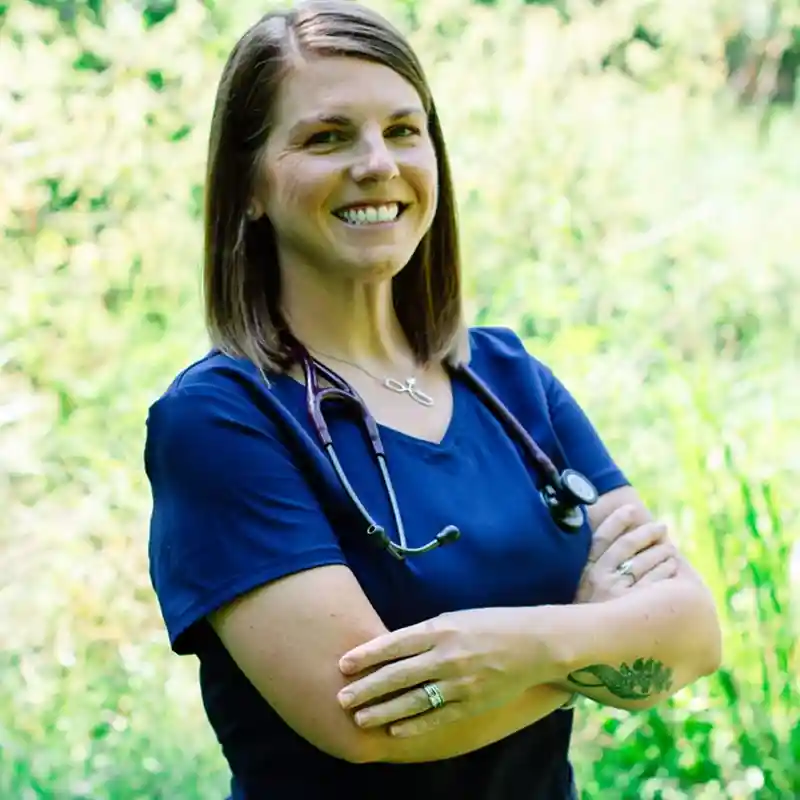
Educational information, not medical advice. This article was reviewed by Kelsey Pabst, RN and is intended to help families understand the research landscape. It is not a substitute for advice from your child's physicians. Have a question about your child's care? Contact our team, it's free and confidential.
Kelsey is an experienced surgical nurse with more than 10 years in hospital-based care, including leadership within the operating room. She has worked extensively with pediatric patients, refining her ability to support children and families during critical moments.
Written by
Cerebral Palsy Center
Our nurses, patient advocates and legal experts are solely focused on bringing you the latest cerebral palsy information, options for financial assistance and access to community support.