When a child is diagnosed with cerebral palsy or another form of early brain injury, parents quickly learn that care extends far beyond therapy appointments and medical visits. Daily routines (especially meals) become part of treatment.
Nutrition won’t cure cerebral palsy, but what a child eats can influence energy, comfort, digestion, growth, and how well they participate in therapy.
One of the most common questions families ask is whether choosing whole foods over processed foods really matters. In short: yes, it often does, but not in a rigid, all-or-nothing way. Understanding how different types of foods affect the body and brain can help parents make realistic, supportive choices that fit their child’s needs and their family’s life.
“"Studies show that children with CP are at higher risk for both undernutrition and micronutrient deficiencies, particularly when diets rely heavily on low-nutrient, processed options."”
— NIH
Why nutrition matters more here
The brain is a metabolically demanding organ, especially in childhood. It requires a steady supply of energy, healthy fats, amino acids, vitamins, and minerals to support nerve signaling, muscle control, and learning. For children with cerebral palsy, whose brains were injured early in development, nutrition plays a supporting role in helping the nervous system function as efficiently as possible.
Good nutrition supports brain health indirectly as well. Adequate hydration, balanced blood sugar, and reduced inflammation can improve attention, mood, sleep quality, and physical stamina. These factors influence how a child feels day to day, and how much they can engage in cerebral palsy treatment such as physical, occupational, or speech therapy.
While no diet can reverse the underlying brain injury, nutrition can help create the conditions in which the brain and body work at their best.
Nutrition needs for children with brain injury or cerebral palsy
Children with cerebral palsy often have different nutritional needs than their peers. Some burn more calories because of spasticity or involuntary movements, while others burn fewer due to limited mobility. Feeding difficulties, swallowing challenges, reflux, constipation, and fatigue can further complicate intake.
Many children with CP need:
The nutritional priorities are consistent: enough calories to support growth and prevent undernutrition, adequate protein for muscle repair and immune function, healthy fats for nerve function, fiber and fluid to manage constipation, and the micronutrients that are hardest to get in a restricted diet, particularly calcium, vitamin D, iron and zinc. Undernutrition is not a cosmetic concern here, and the mortality data shows why. Of 349 deaths with cause data in a Western Australian population study, 58.6% were respiratory. Pneumonia alone accounted for 171 of them, with aspiration recorded in 45% of those pneumonia deaths. It weakens the respiratory muscles behind an effective cough, and a weak cough is what turns an ordinary infection into pneumonia, which dominates the mortality data in cerebral palsy.
Meeting these needs consistently is easier when foods are nutrient-dense, meaning they provide more nutrition per bite. This is where the distinction between whole foods and processed foods becomes especially important.
Processed versus whole foods: what’s the difference?
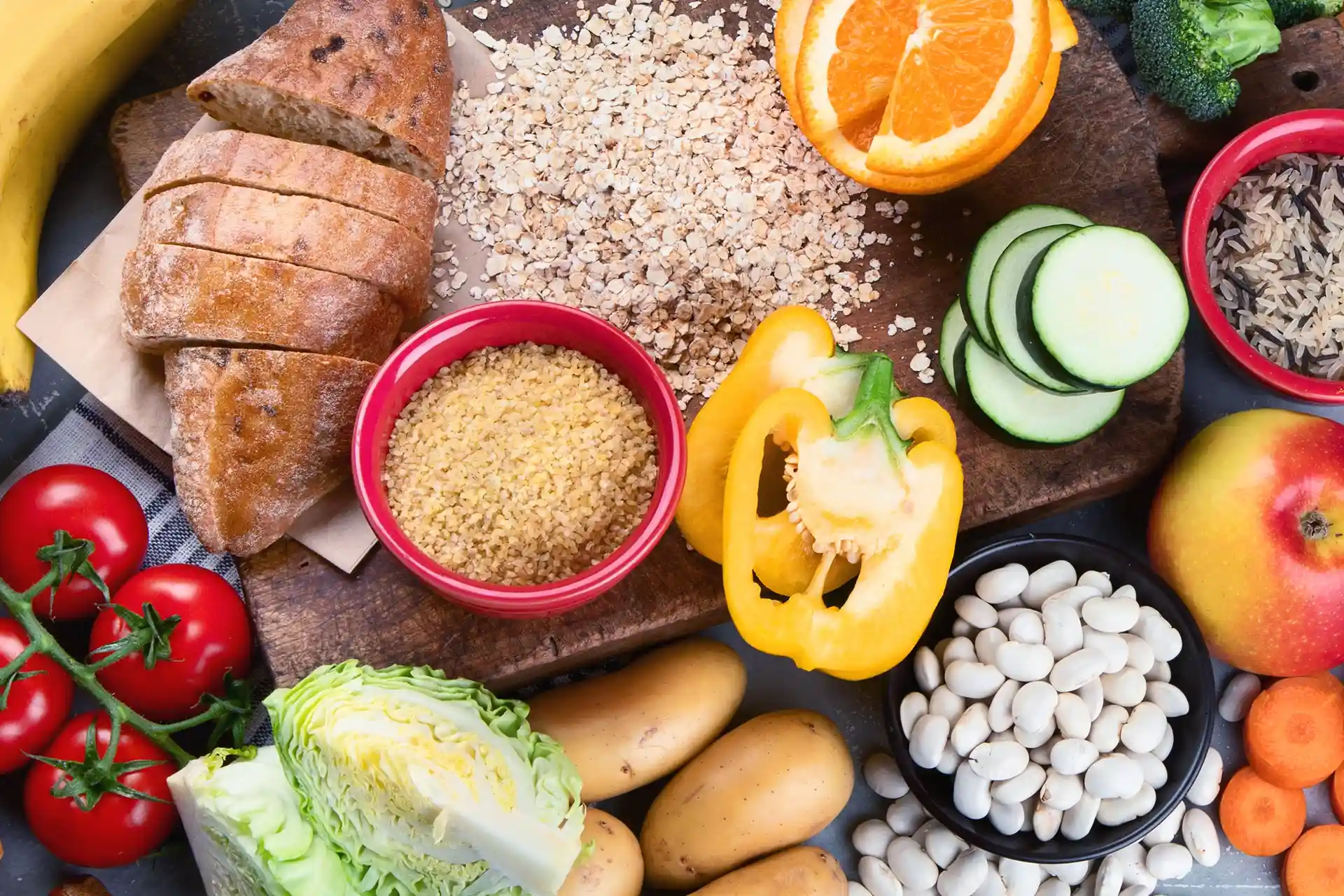
Whole foods are foods that are close to their natural state, with minimal processing. Examples include fruits, vegetables, eggs, fish, meat, beans, yogurt, oats, rice, and nuts. These foods typically provide fiber, vitamins, minerals, and beneficial plant compounds alongside calories.
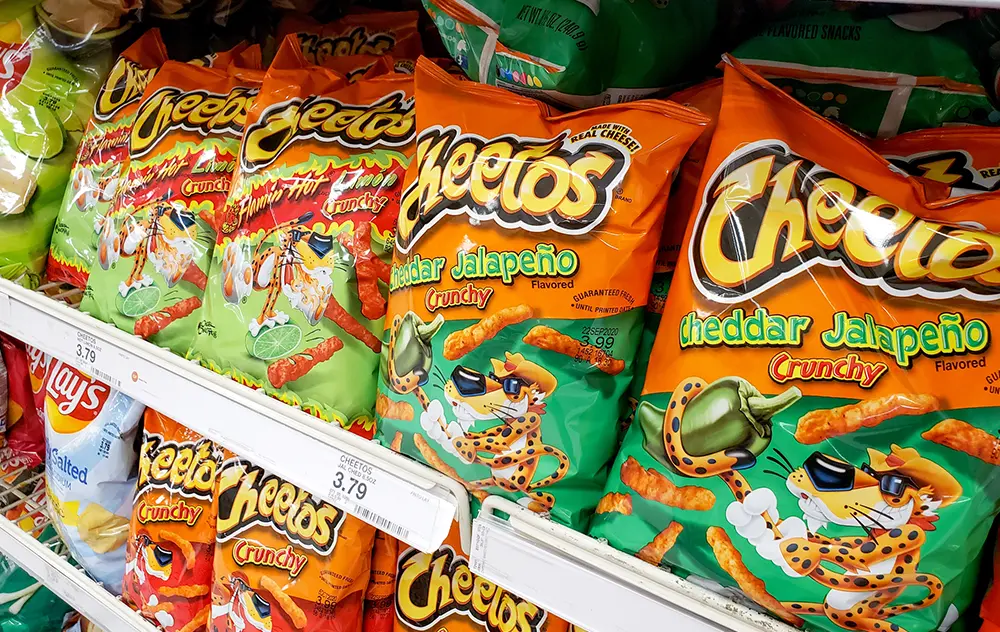
Processed foods exist on a spectrum. Some processing is helpful or necessary: frozen vegetables, canned beans, pasteurized milk, and fortified cereals can still be nutritious. Ultra-processed foods are heavily altered and typically carry refined starches, added sugars, industrial fats, flavorings and preservatives. The NOVA system used across this research files them as group four. In United States dietary data they supply well over half the calories an average child eats, which is the scale of the thing. Examples include sugary snacks, packaged desserts, many frozen meals, sweetened drinks, and some snack foods.
For children with cerebral palsy, the concern isn’t that processed foods are “bad” in isolation, but that diets dominated by ultra-processed foods can crowd out nutrients that support growth, digestion, and therapy participation.
How whole and processed foods affect children with cerebral palsy
Whole foods tend to support steadier energy levels, better digestion, and more consistent nutrient intake. Fiber-rich foods help manage constipation, while protein and healthy fats support muscle function and endurance, both critical for cerebral palsy therapy.
Ultra-processed foods, on the other hand, are often low in fiber and micronutrients but high in sugar or salt. For some children with CP, this can worsen constipation, contribute to reflux, or lead to rapid energy swings that affect focus and participation in daily activities. Diets high in ultra-processed foods are also associated with increased inflammation, which may influence pain sensitivity, fatigue, and overall comfort.
food is also emotional and practical. Completely eliminating processed foods is rarely realistic or necessary. The goal is balance, using whole foods as the foundation while allowing flexibility where it supports intake, enjoyment, and family life.
What does the research say?
Two figures are worth carrying into any conversation about feeding. Acceptance of an unfamiliar food commonly takes 10 to 15 separate exposures, so a refusal on the third attempt is not a verdict. And roughly 40% of children with cerebral palsy also have epilepsy, which matters here because several anticonvulsants affect appetite, bone density or both, and the diet has to be built around the medication rather than in spite of it.
Research on nutrition and cerebral palsy consistently emphasizes overall diet quality rather than specific “forbidden” foods. Studies show that children with CP are at higher risk for both undernutrition and micronutrient deficiencies, particularly when diets rely heavily on low-nutrient, processed options.
Broader pediatric and brain-health research also links diets rich in whole foods (especially fruits, vegetables, whole grains, lean proteins, and healthy fats) to better metabolic health and reduced inflammation. While these studies don’t prove direct neurological improvement in CP, they support the idea that whole-food, based diets create a healthier internal environment for growth and rehabilitation.
In contrast, high intake of ultra-processed foods in children has been associated with poorer diet quality overall, which can exacerbate existing challenges in children with complex medical needs.
Will nutrition really make a difference for my child with cerebral palsy?
Honestly, it depends what you are asking it to do. Nutrition will not change the underlying brain injury, and no diet does. What it changes is everything built on top of that injury. Cerebral palsy affects about 1 in 345 children, and among them the ones who struggle most with feeding are concentrated at GMFCS levels IV and V, where swallowing safety, weight and respiratory strength all move together. Get nutrition wrong in that group and a cough weakens, an ordinary chest infection escalates, and a child loses ground that therapy then has to win back. Get it right and the therapy has something to work with.
Nutrition is not a standalone treatment, but it can meaningfully influence outcomes. Parents often notice improvements in energy, bowel regularity, sleep, and tolerance for therapy when nutrition improves. These changes may seem subtle, but over time they can affect independence, comfort, and quality of life.
Think of nutrition as part of a larger support system. When a child is better nourished, they are often better able to benefit from cerebral palsy treatment and therapy. The impact is cumulative rather than dramatic, and that’s still powerful.
What about processed foods for picky eaters?
Sensory sensitivity and oral-motor difficulty are the two usual causes, and they need different answers. Oral sensorimotor therapy is among the interventions with demonstrated effect in the 2019 systematic review of cerebral palsy treatments, which is more than can be said for most feeding advice circulating online.
Picky eating is common, especially in children with sensory sensitivities or oral-motor challenges. For these children, refusing processed foods entirely can backfire, leading to stress and reduced intake.
Processed foods can sometimes serve as a bridge: used strategically to ensure calories, introduce textures, or pair with more nutrient-dense options. For example, mixing puréed vegetables into familiar foods or choosing fortified versions of preferred items can improve nutrition without overwhelming the child.
Progress matters more than perfection. Supporting a child’s relationship with food is just as important as the nutritional profile of each meal.
Whole food nutrition when time is tight
Parents of children with cerebral palsy are often balancing therapy schedules, school, and medical appointments. Whole food nutrition doesn’t have to mean elaborate cooking.
Helpful strategies include:
When time is short, batch-cooking simple proteins and grains, keeping frozen fruit and vegetables on hand, and stocking easy whole-food snacks such as yogurt, eggs, fruit and hummus covers most of it. Minimally processed convenience foods are a reasonable compromise rather than a failure, and a child who eats is better off than a child fighting a perfect menu.
Small, consistent choices add up. A diet that is mostly whole foods, even if not perfect, can support cerebral palsy nutrition without adding stress.
A flexible, realistic approach
One practical rule outperforms most diet advice: feed the child in front of you. Acceptance of an unfamiliar food commonly takes 10 to 15 separate exposures, so a refusal on the third attempt is not a verdict, and pressure reliably backfires. A plan that is nutritionally perfect and refused delivers nothing, while a slightly compromised plan eaten consistently delivers most of the benefit. Registered dietitians who work in cerebral palsy build around that, and they are worth asking for by name.
So, does whole food versus processed food make a difference for children with cerebral palsy? For most families, yes, in meaningful but manageable ways. Whole foods provide the building blocks that support growth, digestion, energy, and participation in therapy. Processed foods have a place, but they work best as complements rather than foundations.
The most effective approach is flexible, realistic, and centered on the child, not rigid rules. Nutrition is one of the few aspects of cerebral palsy treatment parents can influence every day, and even small improvements can support a child’s comfort, resilience, and long-term well-being.
Sources: Ferluga, E. et al., Interventions for feeding and nutrition in cerebral palsy. Comparative Effectiveness Reviews. (2013). Retrieved from www.ncbi.nlm.nih.gov/books/NBK132448/
Kelsey is an experienced surgical nurse with more than 10 years in hospital-based care, including leadership within the operating room. She has worked extensively with pediatric patients, refining her ability to support children and families during critical moments.
Written by
Cerebral Palsy Center
Our nurses, patient advocates and legal experts are solely focused on bringing you the latest cerebral palsy information, options for financial assistance and access to community support.