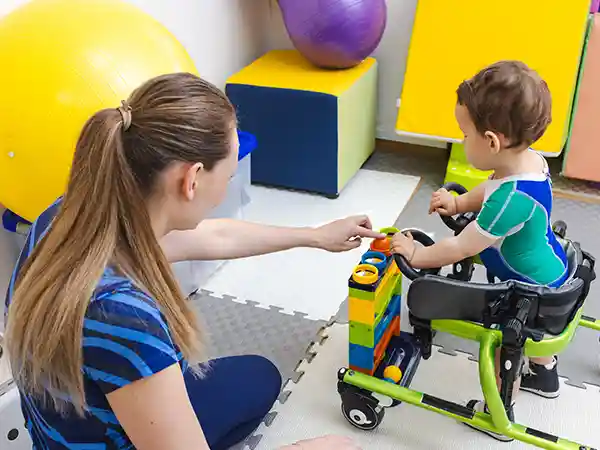
Physical therapy is one of the most powerful tools for building movement, strength, and independence in children with cerebral palsy. The right techniques — started early and tailored to each child — can improve gross motor skills, ease spasticity, and support long-term development. This guide explains the core approaches, how they work together, and what families can expect along the way.
Medically reviewed
Updated June 2026
~ min read
Mobility
Gait training and strengthening build movement and independence
Early start
Beginning therapy young maximizes developmental potential
Tailored
Individualized plans target each child’s unique goals
Cerebral palsy physical therapy techniques play a crucial role in managing the condition and improving the quality of life for those affected. This disorder, which affects movement and muscle tone, often requires a multifaceted approach — combining physical, occupational, and speech therapies to help individuals work toward greater independence and functionality.
At the Cerebral Palsy Center, we are dedicated to providing comprehensive resources and up-to-date information to help families navigate these therapeutic options. Physical therapy is one part of a broader treatment strategy, and our goal is to empower parents and caregivers with the knowledge they need to make informed decisions about the best therapeutic paths for their children, while also offering support through access to local providers and resources.
Early intervention in CP therapy is a critical step in addressing the challenges posed by cerebral palsy. By engaging in therapeutic activities early on, children can develop essential motor skills and improve their overall physical function.
Physical therapy for CP, in particular, can help children maximize their potential for movement and independence. The Cerebral Palsy Center emphasizes the importance of starting therapy as soon as possible, as this not only aids in gross motor skills improvement but also supports long-term developmental goals. Early therapy also paves the way for integrating other non-surgical interventions as a child grows.
Benefits of early intervention for CP
Initiating therapy early offers numerous advantages for children with cerebral palsy. It sets the foundation for improving gross motor skills and enhances the child’s ability to participate in daily activities. With early intervention, therapists can work on neurodevelopmental treatment strategies that specifically target the areas most affected by CP. This proactive approach can lead to significant improvements in muscle tone regulation and overall physical development, and it can also open the door to occupational and speech therapy, which are crucial for comprehensive cerebral palsy treatment.
Strategies for early physical therapy in CP
Successful early physical therapy strategies for cerebral palsy often involve a combination of techniques tailored to the child’s needs. Therapists employ various exercises to promote muscle strength and flexibility, focusing on activities that encourage the development of motor skills. Play-based therapy is particularly effective, as it engages children in a manner that makes the exercises enjoyable and less daunting. Techniques such as constraint-induced movement therapy and sensory integration play significant roles in these early strategies. By fostering an encouraging environment, therapists help children gain confidence in their abilities, setting the stage for future progress.
Types of physical therapy for CP
Managing CP with therapy requires a thorough understanding of the different types of physical therapy available. Each type serves a unique purpose in addressing the specific needs of children with cerebral palsy.
Neurodevelopmental treatment is one method that focuses on the connection between the brain and motor function, helping to regulate muscle tone and improve coordination. Occupational therapy for CP complements physical therapy by helping children perform everyday tasks more effectively. The Cerebral Palsy Center provides valuable insights into evaluating CP therapy goals and tailoring approaches to fit each child’s unique circumstances.
Core physical therapy techniques
Therapists draw on a range of techniques, layering them to match each child’s strengths and challenges:
Gait training to improve walking pattern and stability
Muscle strengthening to support large-muscle function
Balance and coordination activities for stability
Stretching routines to preserve range of motion
Adaptive equipment often supports these activities, helping children safely engage in exercises that challenge their physical limits.
Overview of neurodevelopmental treatment
Neurodevelopmental treatment (NDT) is a cornerstone of physical therapy for children with cerebral palsy. It emphasizes the importance of improving the nervous system’s function to enhance the child’s ability to move and control their body. NDT techniques are designed to address specific physical limitations by using guided movements and exercises that target muscle tone regulation. By focusing on these targeted interventions, therapists can help children develop better posture, balance, and coordination, ultimately aiding in the management of CP through therapy.
Incorporating gross motor skills improvement
Incorporating activities that focus on gross motor skills improvement is vital for children with cerebral palsy. These activities aim to enhance large muscle group functions, which are crucial for movement and stability. Therapeutic exercises for CP often include stretching, strengthening, and balance exercises. Therapists might also use adaptive equipment to support these activities, ensuring that children can safely engage in exercises that challenge their physical limits. The goal is to progressively build strength and coordination, enabling children to participate more fully in their daily lives.
Therapy works best as part of a wider plan
No single technique stands alone. Pairing physical therapy with assistive devices and other treatment options consistently produces better functional outcomes than any one approach used in isolation.
Managing CP with therapy
Managing cerebral palsy with therapy involves a multidisciplinary approach that combines several therapeutic strategies. Pediatric physical therapy for CP can be highly effective in addressing specific challenges such as spasticity, a common condition where muscles are continuously contracted, leading to stiffness and movement difficulties.
By integrating speech therapy and assistive technology in CP management, therapists can enhance communication skills and provide tools that aid in daily activities. The Cerebral Palsy Center supports families in understanding these diverse therapeutic approaches, helping them explore non-surgical interventions that can significantly impact their child’s quality of life.
Spasticity management techniques
Spasticity management is a critical aspect of therapy for children with cerebral palsy. Techniques such as stretching exercises, positioning strategies, and the use of orthotic devices can help manage muscle stiffness. In some cases, medications for cerebral palsy, such as muscle relaxants, may be prescribed to alleviate symptoms. Additionally, physical therapists might use modalities like heat therapy or electrical stimulation to reduce spasticity and improve muscle function. These approaches are tailored to each child’s specific needs, ensuring that therapy remains effective and supportive.
Integrating occupational and speech therapy
Integrating occupational and speech therapy can greatly enhance the efficacy of physical therapy for CP. Occupational therapy focuses on helping children develop skills necessary for daily living, such as dressing, eating, and writing. Meanwhile, speech therapy supports the development of communication skills, which is essential for interaction and learning. By coordinating these therapies, children receive a holistic approach to treatment that addresses both physical and cognitive challenges. The use of assistive technology can further support this integration, offering tools that facilitate communication and improve daily functioning.
Evaluating CP therapy goals
Evaluating CP therapy goals involves assessing the child’s progress and adapting strategies to ensure continued improvement. Advancements in CP therapy have introduced new methods and technologies that can significantly enhance motor function and overall well-being.
Customized therapy plans for CP are essential, as they consider the individual’s specific needs and abilities. The Cerebral Palsy Center offers resources to help families set realistic expectations and explore the full range of emerging treatments that align with their child’s unique goals.
Setting realistic therapy goals for CP
Setting realistic therapy goals is crucial for maintaining motivation and achieving tangible progress. These goals should be specific, measurable, achievable, relevant, and time-bound (SMART). By focusing on achievable milestones, such as improving balance or increasing muscle strength, therapists and families can work together to track progress and adjust plans as needed. This approach fosters a sense of accomplishment and encourages continuous development in children with CP.
Using assistive technology for goal achievement
Assistive technology plays a vital role in helping children with cerebral palsy achieve their therapy goals. Devices such as communication boards, mobility aids, and adaptive equipment provide essential support. These tools not only assist in daily activities but also empower children to participate more actively in their environments. Evaluating the effectiveness of these technologies is an ongoing process, with therapists and families working together to ensure that the chosen solutions meet the child’s evolving needs.
Questions about your child’s therapy plan?
Building the right therapy program — and paying for years of it — is rarely straightforward. Our nurse advocates can help you understand the options and connect you with the right specialists. Get a free, confidential consultation — no cost, no commitment.
Frequently asked questions about cerebral palsy physical therapy
Common physical therapy techniques for cerebral palsy include gait training, muscle strengthening exercises, balance and coordination activities, and stretching routines. These techniques aim to improve mobility, posture, and overall physical function.
Physical therapy helps improve the quality of life for individuals with cerebral palsy by enhancing their mobility, reducing pain, and increasing independence in daily activities. This leads to more active participation in social and recreational activities, boosting overall well-being.
An individualized treatment plan is crucial for cerebral palsy physical therapy because each person's condition and abilities are unique. Tailoring the therapy ensures that specific needs and goals are addressed effectively, leading to better outcomes.
A child with cerebral palsy should begin physical therapy as soon as possible after diagnosis. Early intervention can maximize developmental potential and help prevent secondary complications such as contractures and muscle weakness.
Parents can find a qualified physical therapist by consulting their child's pediatrician for recommendations, checking with local hospitals or rehabilitation centers, and looking for therapists with experience in treating cerebral palsy. It's important to verify the therapist's credentials and experience with similar cases.
Combining physical therapy with other treatments such as medication, occupational therapy, and speech therapy can provide comprehensive care, addressing various aspects of cerebral palsy. This multidisciplinary approach can lead to more holistic improvements in mobility, communication, and daily functioning.
A common misconception about physical therapy for cerebral palsy is that it can fully cure the condition. While physical therapy cannot eliminate cerebral palsy, it significantly improves mobility and quality of life through targeted exercises and interventions.