For many families affected by cerebral palsy, finding activities that are both enjoyable and beneficial can be a challenge. Parents often look for resources that can entertain their child while also supporting learning, communication, motor development, or cognitive growth.
Cerebral Palsy Center has taken a major step toward addressing that need with the launch of a new collection of interactive games created specifically for children with cerebral palsy, movement disorders, and cognitive impairments.
Unlike traditional games that often assume precise motor control, fast reaction times, or complex navigation skills, these games were designed from the ground up with accessibility as the starting point. The result is a collection of experiences that can be enjoyed by children with a wide range of abilities while giving parents another resource to support engagement, learning, and independent play.
According to Kelsey Pabst, RN, head medical reviewer for Cerebral Palsy Center, “the launch of our games center represents our ongoing mission to provide a benefit for each child with cerebral palsy, while becoming the largest fully-interactive resource in the world for families dealing with cerebral palsy.”
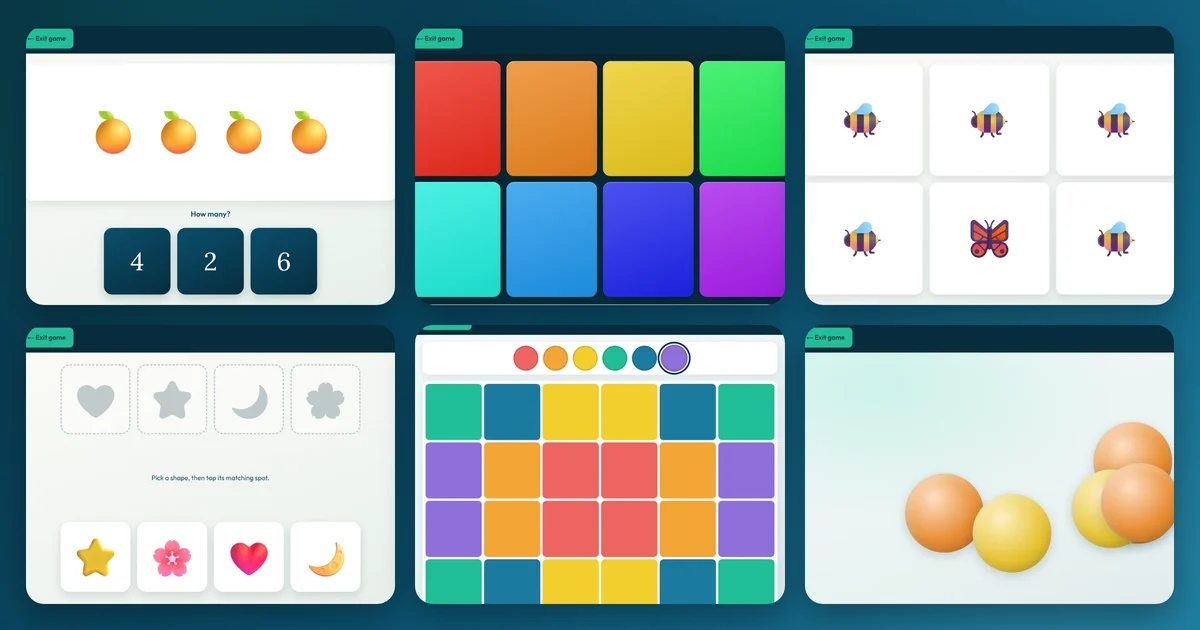
A look inside the new Cerebral Palsy Center games center.
A new generation of cerebral palsy games
The initial launch includes ten games specifically developed for children with cerebral palsy and other neurological conditions. The games include:
Touch Anywhere — tap anywhere on the screen and something happy happens (cause & effect)
Bubble Pop — pop big, slow-floating bubbles at your own pace
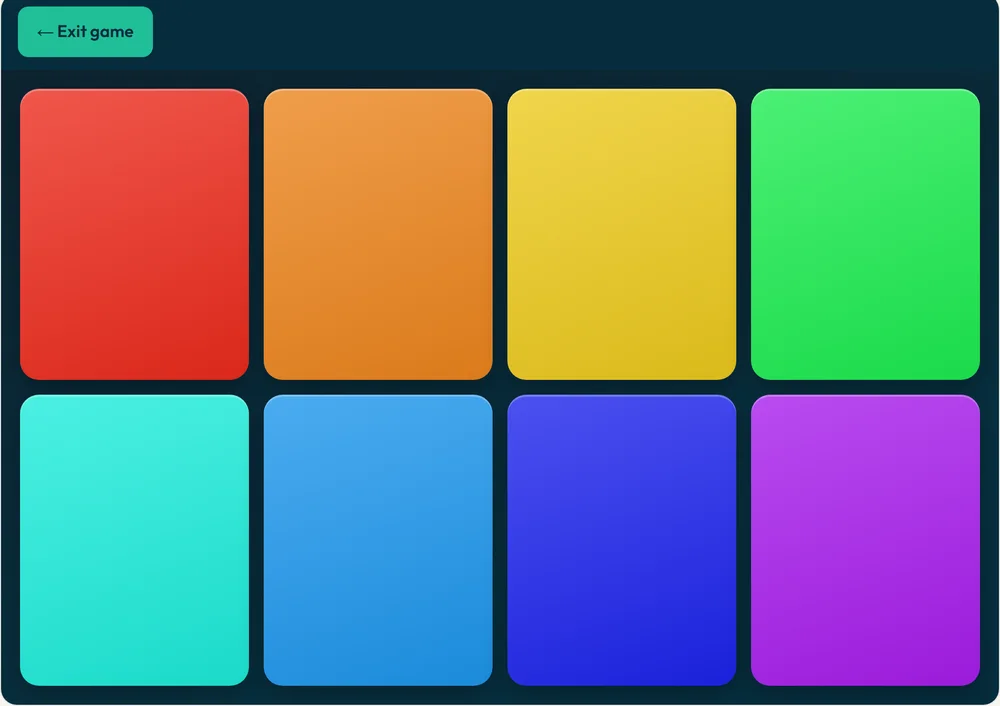
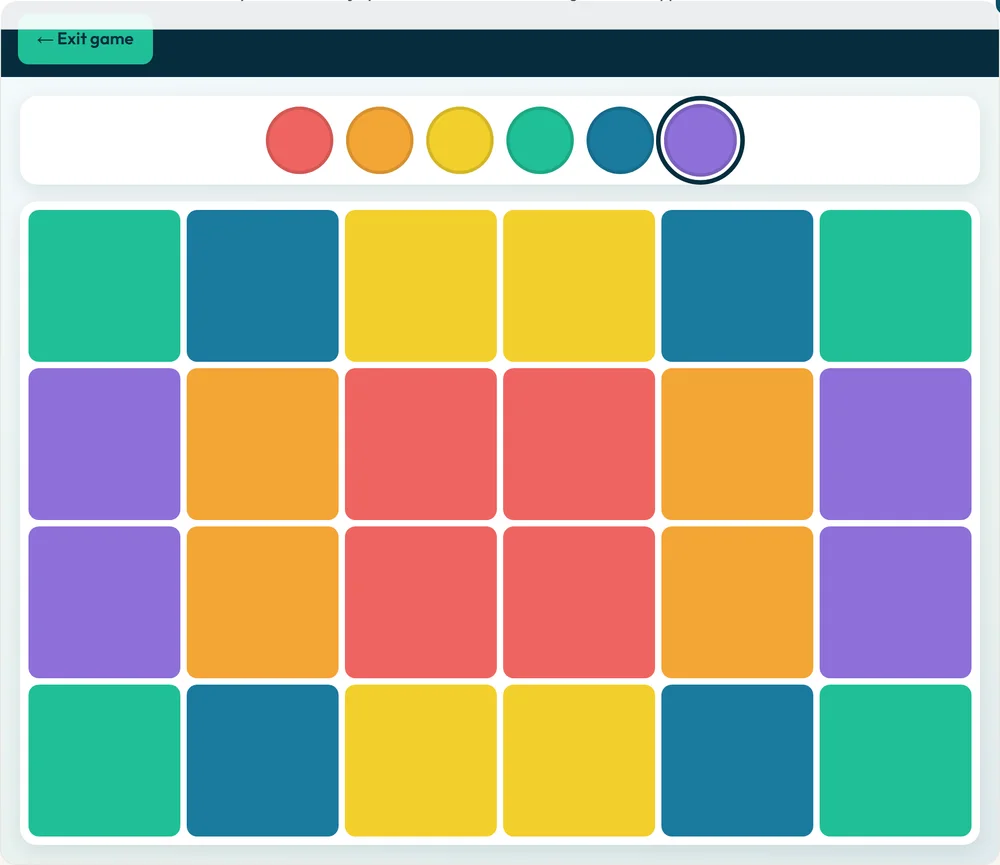
Music Pads — play colorful pads that light up and make sound
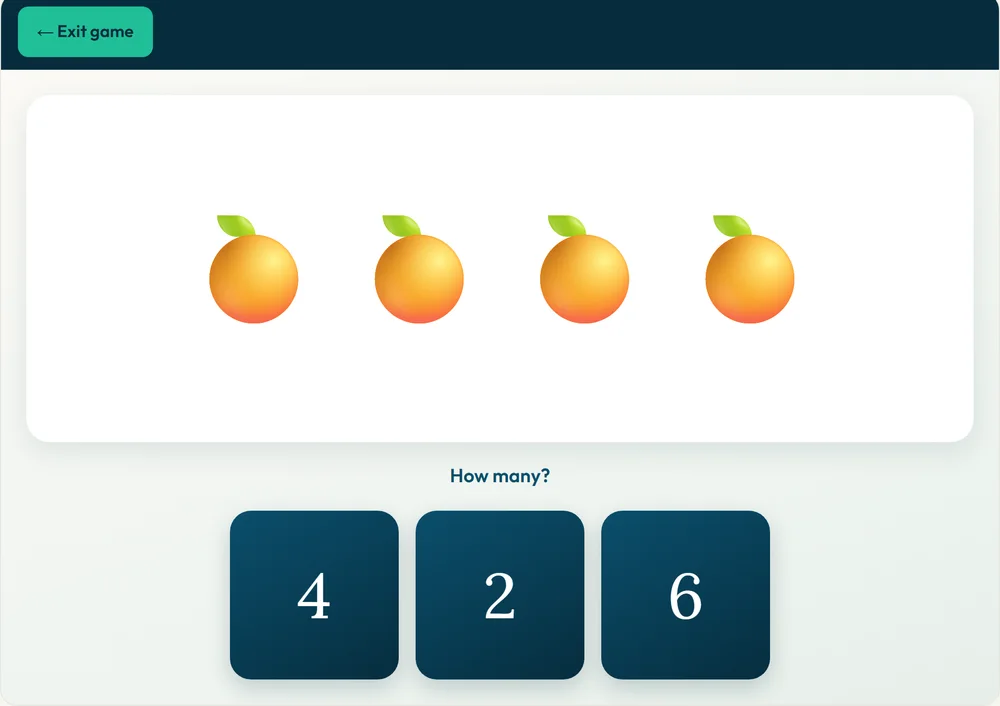
Count It — count the friendly objects and pick the number
Memory Match — turn over cards to find matching pairs
Shape Sorter — pick a shape, then tap its matching spot
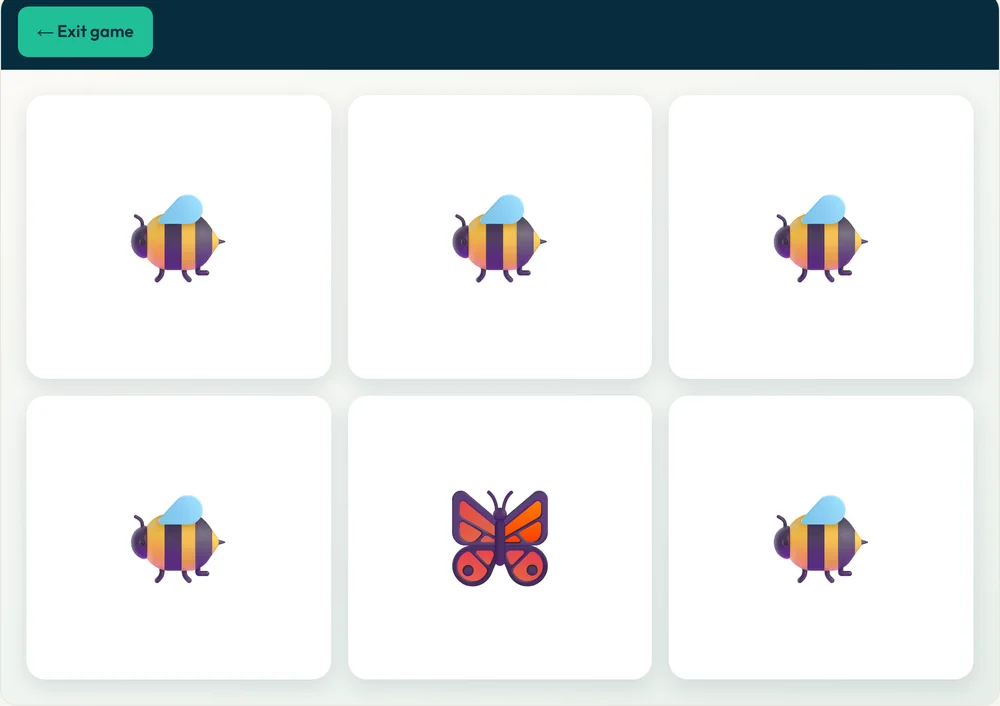
Odd One Out — find the picture that doesn’t belong
Pattern Echo — watch a sequence, then repeat it back
Star Light — light up the stars in a calm, low-pressure space
Paint Grid — an open-ended canvas for color and creativity
Music Pads uses large, high-contrast targets that respond to touch, switch, keyboard, or mouse.
Each game has been designed around therapeutic principles commonly used in pediatric rehabilitation. The collection spans a variety of developmental stages and interests, allowing children to explore different types of play and learning experiences.
The games are organized into four suggested age groups:
Ages 3–6
Ages 6–9
Ages 9–12
Ages 12+
They are also categorized by developmental objectives:
Cause & effect
Matching & choice
Patterns & logic
Strategy & creative thinking
Importantly, these age ranges are only intended as guidelines. A child’s cognitive ability, interests, motor skills, and communication style may make a game appropriate regardless of age.
“The launch of our games center represents our ongoing mission to provide a benefit for each child with cerebral palsy, while becoming the largest fully-interactive resource in the world for families dealing with cerebral palsy.”
— Kelsey Pabst, RN
Where families can find the games
The new games can be accessed directly through the Cerebral Palsy Center Games Hub at cerebralpalsycenter.com/games. Parents can also learn more about the design philosophy, accessibility features, and game categories by visiting the games overview page.
Because the games are browser-based, families can access them from many devices without downloading software or purchasing special equipment. This accessibility makes them particularly attractive for families who may already be managing therapy schedules, medical appointments, adaptive equipment, and other daily responsibilities.
The goal is simple: reduce barriers and increase opportunities for meaningful play.
Count It pairs a simple question with large, well-spaced answer buttons, no timer, no penalty for a wrong tap.
Designed for accessibility from the very beginning
One of the most distinctive aspects of the Games Center is that accessibility was not added later, it was built into every game from the start. Every game can be operated using:
Single-switch access
Two-switch access
Keyboard controls
Touch screens
Mouse input
The games also include large targets, adjustable speed settings, customizable contrast, scalable text and image sizes, and optional audio.
There are no timers pressuring children to react quickly. There is no default fail state that interrupts play. Visual effects have been carefully designed to reduce concerns related to photosensitive seizures, and motion can be reduced when needed.
For children who use adaptive technology or alternative communication methods, these design choices can significantly improve accessibility and independence.
Odd One Out builds visual scanning and choice-making with clear, friendly artwork.
Who can benefit from these games?
Research increasingly shows that interactive games can benefit children with neurological conditions in several ways. Depending on the game and the child, benefits may include:
What accessible play supports is broader than entertainment: attention and concentration, cause-and-effect learning, visual scanning, hand-eye coordination, engagement and motivation, independent decision-making, and cognitive skills including memory and pattern recognition. Environmental enrichment is among the interventions with demonstrated effect in the 2019 systematic review of cerebral palsy treatments, and a game a child chooses to play is enrichment a child will repeat.
Children with cerebral palsy often spend significant time working on skills during formal cerebral palsy therapy sessions. Games can provide additional opportunities to practice some of those same abilities in a setting that feels fun rather than clinical.
For younger children, simple interactions can help reinforce foundational learning concepts. For older children, strategy and creative-thinking activities can encourage problem-solving and independent exploration.
Why play matters in cerebral palsy therapy
Modern pediatric rehabilitation increasingly recognizes that play is not simply entertainment, it is a critical part of development.
Play helps children learn how to explore their environment, make choices, solve problems, and practice movement patterns. When a child is motivated by an activity, they often perform far more repetitions than they would during structured exercises alone.
This principle is one reason gaming and interactive technologies have become areas of growing interest in rehabilitation research. Studies involving children with cerebral palsy have found that engaging digital activities may increase participation, improve therapy adherence, and encourage repeated practice of important motor and cognitive skills.
While games are not a replacement for formal cerebral palsy therapy, they can serve as a valuable complement to therapy goals. Most importantly, they allow children to experience success, enjoyment, and independence while developing important skills.
No costs, no ads, and no data collection
Parents are increasingly concerned about privacy, advertising, and in-app purchases in children’s digital products. The Cerebral Palsy Center Games Hub was designed to address those concerns directly. There are:
There are no accounts to create, no advertisements, no in-app purchases, no subscriptions, and no collection of any data about your child. That is deliberate: a game that asks a disabled child for an email address before they can play is not accessible.
Settings remain stored locally on the family’s device. Parents and caregivers can configure accessibility options once through the Games Hub and then allow the child to play using those personalized settings across all games.
This approach minimizes distractions and helps keep the focus where it belongs: on the child.
Why parent feedback matters
The launch of these ten games is intended to be the beginning of an ongoing process rather than a finished product. As families use the Games Center, their experiences can help guide future improvements, new features, and entirely new games.
According to Kelsey Pabst, RN, “we look forward to feedback from parents about how we can continue to add and adapt our resources to provide meaningful benefit for their children.”
Parents often provide insights that researchers, developers, and clinicians cannot easily observe. They see how children interact with games at home, which accessibility features are most useful, and where additional support may be needed.
That feedback can help shape future resources that better serve the diverse needs of children living with cerebral palsy.
What parents should know before getting started
Parents do not need specialized equipment or advanced technical knowledge to begin exploring the Games Center, simply visit cerebralpalsycenter.com/games.
A good approach is to allow children to experiment with several different games and observe which ones capture their attention. Some children may enjoy cause-and-effect activities, while others may gravitate toward memory challenges, pattern recognition, or creative play.
Remember that the goal is not simply performance. The greatest value often comes from engagement, confidence-building, exploration, and enjoyment.
For many families, finding activities that a child genuinely enjoys can be every bit as important as achieving a specific therapeutic outcome. The new Cerebral Palsy Center Games Hub provides another pathway toward that goal: combining accessibility, fun, and developmental support in a way designed specifically for children living with cerebral palsy and other neurological conditions.
Kelsey is an experienced surgical nurse with more than 10 years in hospital-based care, including leadership within the operating room. She has worked extensively with pediatric patients, refining her ability to support children and families during critical moments.
Written by
Cerebral Palsy Center
Our nurses, patient advocates and legal experts are solely focused on bringing you the latest cerebral palsy information, options for financial assistance and access to community support.