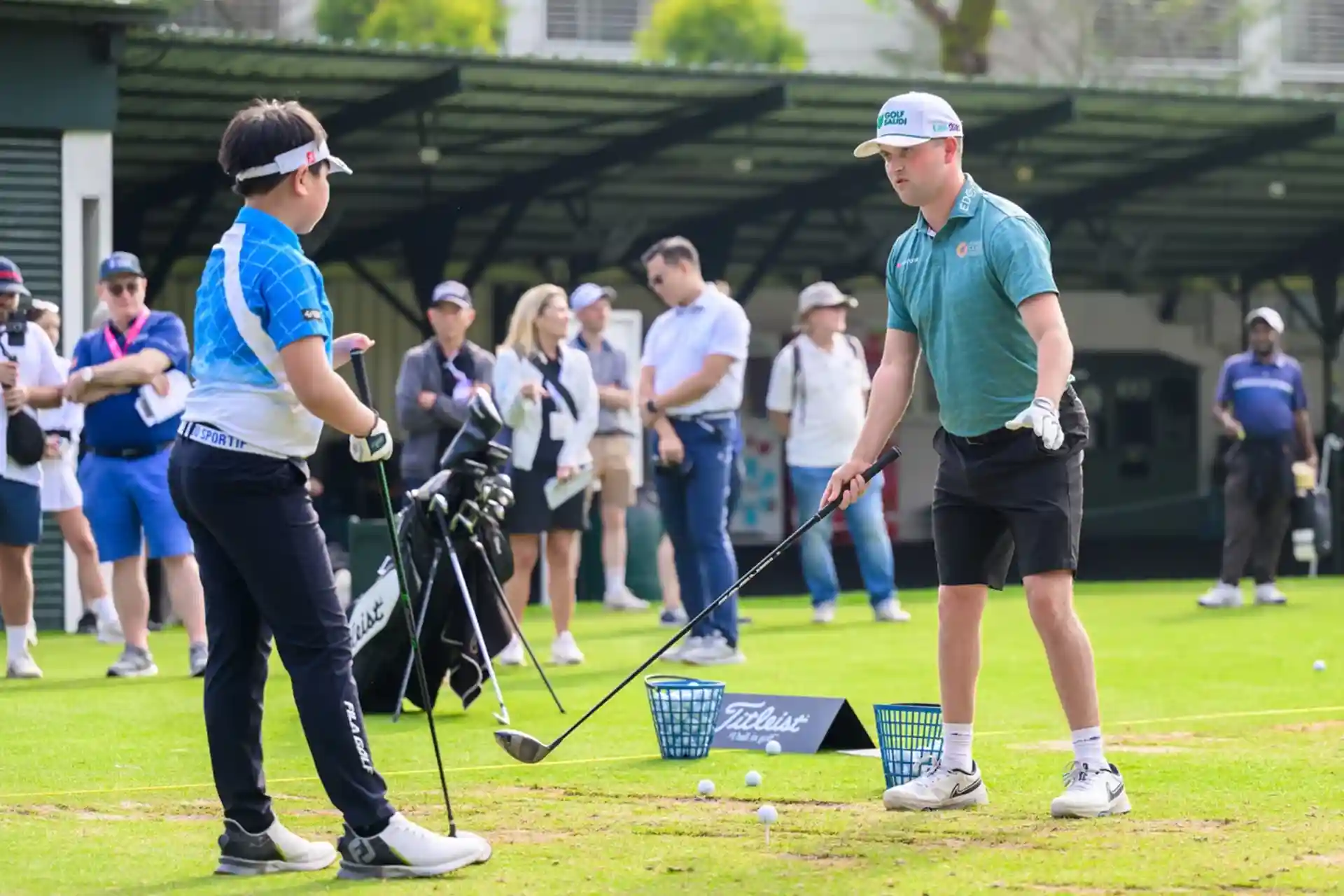
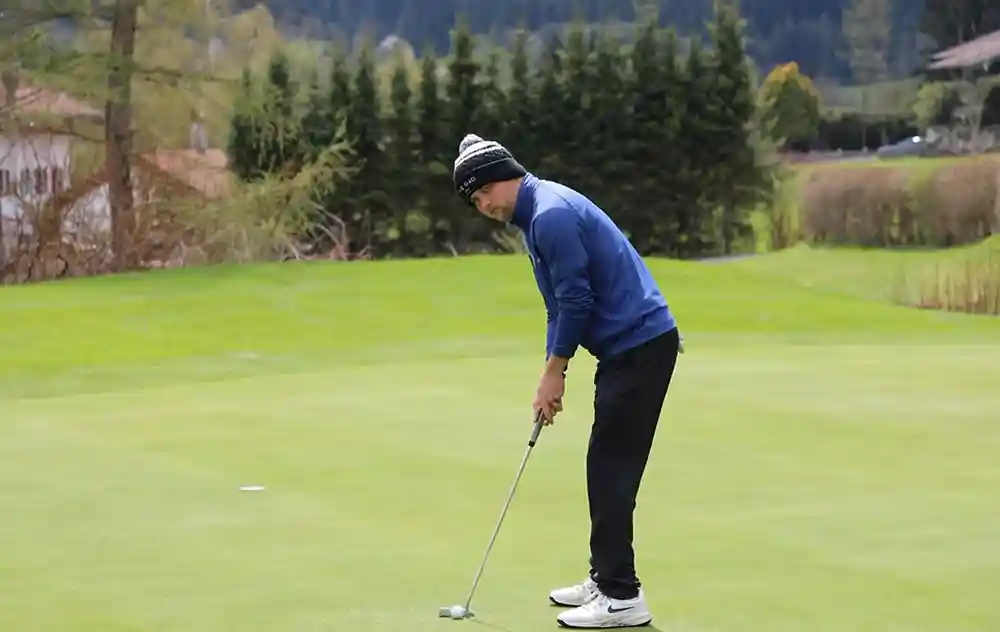
Kipp Popert was born in England with spastic diplegic cerebral palsy, a form that mainly affects movement in the legs. He is now the world number one in the Golf for the Disabled rankings and, at 26, one of the most visible advocates for athletes with disabilities.
For many parents raising a child with cerebral palsy, the future can feel uncertain. Questions about mobility, independence, education, and quality of life often arrive long before answers do. Yet every so often, a story emerges that changes the conversation.
Born with cerebral palsy and told he would face challenges that most young athletes never encounter, Popert has become the world's top-ranked golfer in the Golf for the Disabled (G4D) rankings and one of the most recognizable advocates for athletes with disabilities. His success has helped redefine what is possible for people living with cerebral palsy.
But his story is about much more than trophies and rankings. It is a story about perseverance, therapy, family support, and finding a passion that transformed rehabilitation into opportunity.
For families exploring cerebral palsy activities and recreational therapy options, Kipp Popert's journey offers both inspiration and practical lessons.
“Press on. For me, that's my life, that's my mantra.”
— Kipp Popert
Growing up with cerebral palsy
Kipp Popert was born in England with spastic diplegic cerebral palsy, a condition that primarily affects movement in the legs. From an early age, walking, running, and maintaining balance required considerably more effort than they did for most children.
Like many children living with cerebral palsy, he spent countless hours in therapy. Exercises, stretching programs, and movement training became a routine part of childhood.
Despite these challenges, Popert developed a fiercely competitive personality. Rather than focusing on what he could not do, he became interested in finding activities where he could continue improving.
His family encouraged him to stay active, participate in sports, and challenge himself physically. That support would eventually help set the stage for an extraordinary athletic career.
Today, Popert often speaks openly about cerebral palsy and the realities of living with a disability, helping others understand that a diagnosis does not define a person's potential.
Popert has often refused to let cerebral palsy become the defining feature of his story. Instead, he has focused on possibility rather than limitation. In discussing his life philosophy, he once summed it up in two simple words: “Press on. For me, that's my life, that's my mantra.”
Learning to overcome early challenges
The physical realities of cerebral palsy affected many aspects of Popert's childhood. Balance, coordination, endurance, and muscle control all presented obstacles.
For children with cerebral palsy, these challenges can create frustration and discourage participation in sports. Research consistently shows that children with CP are less likely to engage in recreational activities than their peers, despite the substantial benefits those activities provide.
Popert experienced many of those same barriers. Yet he learned an important lesson early: progress often comes in small increments.
Rather than comparing himself to others, he focused on becoming better than he was the day before.
That mindset became a recurring theme throughout his career. Years later, it would help him compete against elite athletes around the world while serving as a role model for young people facing similar challenges.
How golf became therapy
Golf entered Popert's life as a child and quickly became much more than a recreational activity.
The sport naturally encouraged many of the same skills therapists work to develop during cerebral palsy therapy:
Balance and weight shifting
Core stability
Coordination
Motor planning
Flexibility
Endurance
Unlike traditional therapy exercises, however, golf provided an immediate purpose. Every practice session had a goal. Every improvement could be measured.
For many children, this is where recreational therapy becomes especially powerful. Activities that are enjoyable often generate far more repetitions than formal exercises.
Popert has spoken openly about how golf became part of his development and identity. In one interview, he recalled that because of his cerebral palsy he was delayed in reaching certain developmental milestones. He remembered that when he finally began standing, “the first thing my dad passed me was a plastic golf club.” He joked that he initially used it almost like a support to help himself stand before eventually learning to swing it.
For parents searching for cerebral palsy activities, his story highlights an important principle: the best activity is often one the child genuinely loves.
Building a record of success
As Popert's skills improved, so did his results.
He quickly established himself as one of the strongest competitors in disabled golf and began winning tournaments throughout Europe and beyond. His accomplishments include numerous victories on the G4D Tour and years spent ranked as the world's top disabled golfer.
Those achievements did not happen overnight.
Behind every victory were years of practice, rehabilitation, conditioning, and adaptation. Popert learned how to work with his body rather than against it, developing techniques that allowed him to compete at the highest levels.
His rise also coincided with growing visibility for disabled golf, helping bring more attention to athletes living with cerebral palsy and other disabilities.
As his profile grew, so did his influence.
Becoming a global ambassador for disabled golf
Over time, Popert evolved from successful athlete to international advocate.
His performances attracted attention from golf organizations around the world. Interviews, tournaments, and media appearances gave him opportunities to discuss cerebral palsy, inclusion, and the importance of accessible competition.
One of his recurring themes is that disabled athletes deserve opportunities not merely for participation but for professional development. In comments reported during discussions surrounding the future of disabled golf, Popert argued that elite players need pathways to earn a living through the sport.
His advocacy helped raise awareness of the challenges facing disabled athletes even as participation opportunities expanded.
For many children living with cerebral palsy, simply seeing someone who shares their diagnosis competing internationally can be transformative. Representation matters.
Popert's visibility has shown countless families that athletic ambition and cerebral palsy are not mutually exclusive.
Disappointment over the G4D Tour cancellation
One of the most significant developments in 2026 was the announcement that the G4D Tour would no longer continue in its existing format.
For Popert and many other athletes, the news was deeply disappointing. The tour had become one of the most important competitive platforms for disabled golfers worldwide. It provided visibility, structure, and opportunities to compete at a high level.
Speaking after the G4D Tour was suspended, Popert expressed concern not only for himself but for the next generation of athletes. He said, “In order for kids to see the future and to have inspiration on the tough days, the best players in the world need to be able to play regularly for a living.” He added that while the progress made by disabled golf has been significant, “it is just a shame that the sport at the moment has stopped.”
Even in disappointment, however, Popert continued advocating for growth and inclusion within the game.
A memorable opportunity on the DP World Tour
One of the defining moments of Popert's recent career came last week, when he earned the opportunity to compete alongside professional golfers in a DP World Tour (former European Tour) event in Austria.
He recorded several birdies and even an eagle during competition, demonstrating that elite disabled golfers can perform on some of the sport's biggest stages. He missed the cut to compete on the weekend by only a few strokes.
Popert's reaction reflected the gratitude that has become one of his trademarks. Rather than focusing on scores or missed opportunities, he simply said, “I'm just grateful for the opportunity.”
These moments carried significance beyond a scorecard, helping challenge assumptions about disability in professional sports. They also provided visibility for younger athletes who may never have imagined someone with cerebral palsy competing in such environments.
Inspiring the next generation
Perhaps Popert's greatest contribution has nothing to do with rankings or trophies.
Popert frequently reminds young athletes that performance and disability are not mutually exclusive. One of his favorite observations is that “Golf is not gymnastics. You don't get graded on how it looks. You get graded on your ability to perform.”
For children with cerebral palsy, that message can be empowering. Success is not about moving exactly like everyone else. It is about finding ways to achieve goals and continue improving.
Research consistently shows that recreational sports can improve:
Balance
Strength
Coordination
Social development
Confidence
Mental health
These benefits are particularly important for children living with cerebral palsy. Participation in sports often complements traditional cerebral palsy therapy by creating additional opportunities to practice movement skills in meaningful settings.
What Kipp's message means for parents
Throughout interviews and public appearances, Popert's message has remained remarkably consistent. His personal motto (“Press on”) captures much of his outlook on life. He encourages families to focus on opportunities, effort, and long-term growth rather than limitations.
One of the most powerful lessons parents can take from his journey is that success does not always look the same for every child.
For one child, success may mean competing professionally. For another, it may mean joining a recreational team, building friendships, or discovering a lifelong hobby. The important thing is participation.
Parents should not underestimate the value of helping children explore activities that match their interests and abilities.
Looking ahead
At just 26 years old, Popert still has many competitive years ahead of him.
His goals continue to include competing at the highest levels of disabled golf while advocating for greater opportunities within the sport. He has become one of the leading voices pushing for increased recognition, sponsorship, and professional pathways for disabled athletes.
Parents interested in following Kipp Popert's career can learn more through the World Ranking for Golfers with Disability (WR4GD), DP World Tour coverage, G4D Golf initiatives, and his social media channels.
His journey offers more than an inspiring sports story. It provides a powerful reminder that cerebral palsy therapy does not end in a clinic. It continues on playing fields, golf courses, swimming pools, and countless other places where children discover what they are capable of becoming.
Sources:
Piastowski, N. He has cerebral palsy. And this week, he's playing on the DP World Tour. Golf. (May 29, 2026). Retrieved from golf.com
Murray, E. World's No 1 disabled golfer Kipp Popert: “The best need to play for a living. The sport has stopped.” The Guardian. (May 13, 2026). Retrieved from theguardian.com
Kelsey is an experienced surgical nurse with more than 10 years in hospital-based care, including leadership within the operating room. She has worked extensively with pediatric patients, refining her ability to support children and families during critical moments.
Written by
Cerebral Palsy Center
Our nurses, patient advocates and legal experts are solely focused on bringing you the latest cerebral palsy information, options for financial assistance and access to community support.