Home›News›Does a Protein or Carnivore Diet Work for Cerebral...
Does a Protein or Carnivore Diet Work for Cerebral Palsy?
12/19/2025
Reviewed by: Cerebral Palsy Center Editorial Team
Parents of children with cerebral palsy often explore every possible avenue to support their child’s health, strength, and quality of life. Alongside cerebral palsy treatment and therapy, nutrition has become an area of growing interest, especially diets that emphasize protein, limit sugar, or significantly reduce carbohydrates.
Online discussions about carnivore, keto, and protein-focused diets frequently raise the question: could these approaches offer benefits for children living with cerebral palsy or a birth-related brain injury?
The answer is nuanced. While protein and blood-sugar stability are important parts of cerebral palsy nutrition, highly restrictive diets may not be appropriate (or safe) for most children. Understanding what these diets are, what research suggests, and how they compare to established cerebral palsy diet needs can help families make informed decisions.
“"The most effective cerebral palsy diet is one that supports growth, therapy participation, digestion, and overall quality of life."”
Understanding carnivore and protein-focused diets
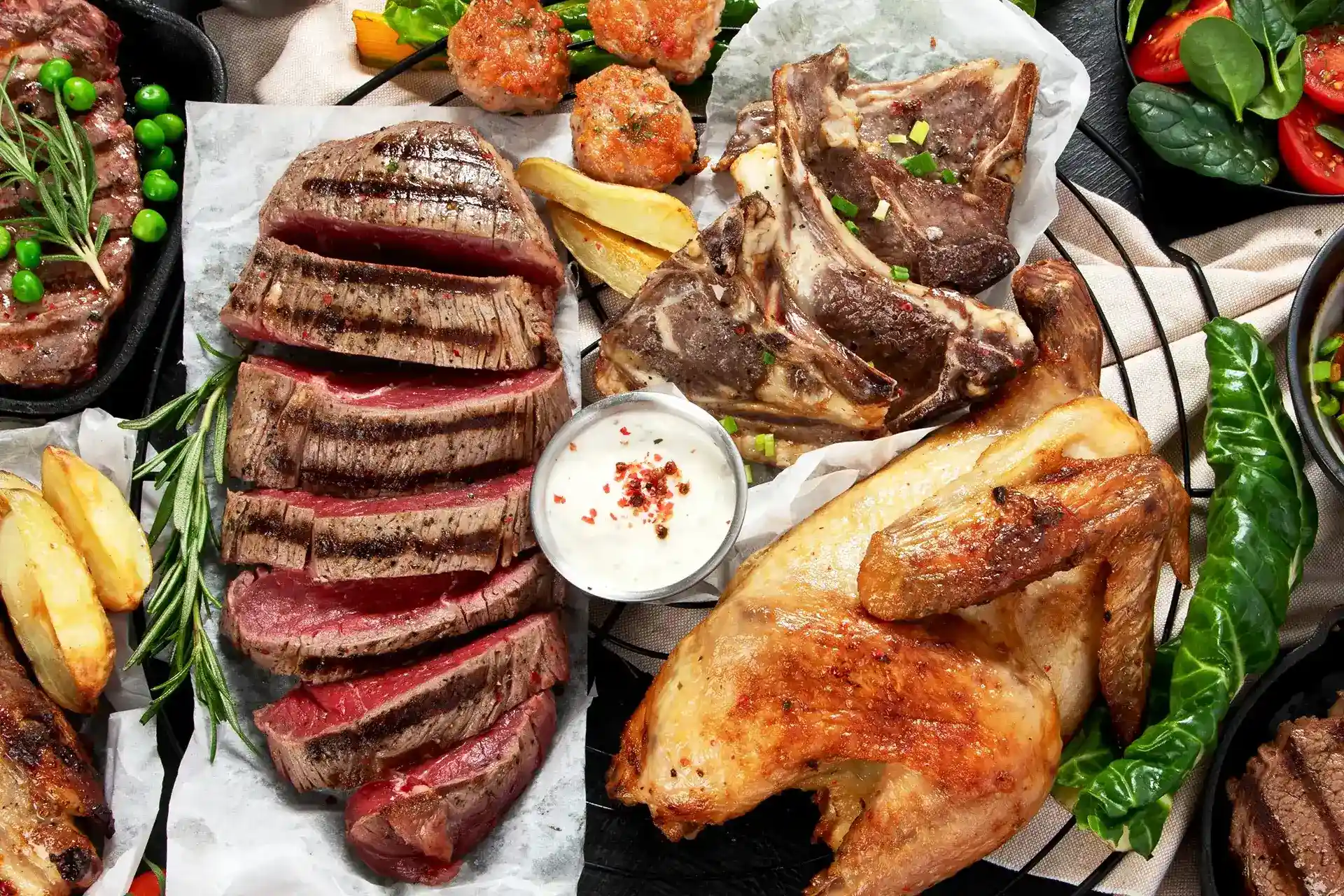
Protein-focused diets emphasize higher intake of protein-rich foods such as meat, eggs, dairy, fish, and legumes, often with reduced refined carbohydrates and added sugars. These diets are sometimes recommended for muscle maintenance, satiety, and metabolic health.
The carnivore diet is a more extreme version of this approach. It eliminates nearly all plant foods and relies exclusively on animal products, typically meat, eggs, and sometimes dairy. Keto diets sit between these extremes, focusing on high fat, moderate protein, and very low carbohydrate intake to shift the body into a state of ketosis.
These diets have gained attention for potential benefits related to blood sugar control, inflammation reduction, and energy regulation. However, most of the research supporting these approaches comes from adult populations and specific medical conditions, not from children with cerebral palsy. That distinction is critical when evaluating their role in cerebral palsy nutrition.
Potential benefits often cited for protein-heavy diets
Protein plays an essential role in growth, muscle repair, immune function, and neurotransmitter production. For children with cerebral palsy, adequate protein intake is particularly important because muscle stiffness, involuntary movements, and intensive therapy can increase energy and protein demands.
Lower-sugar or lower-refined-carbohydrate diets may also help stabilize blood glucose levels. For some children, this can translate into steadier energy, improved focus, and fewer dramatic swings in appetite. In adults, ketogenic and low-carbohydrate diets have shown benefits for certain neurological conditions, such as epilepsy, which is more common among individuals with cerebral palsy.
these potential benefits do not automatically mean that carnivore or strict protein-focused diets are appropriate for children. Children with CP need a wide range of nutrients to support growth, bone density, digestion, and brain development, needs that often exceed those of typically developing peers.
What the evidence actually supports
The foundation of cerebral palsy nutrition is not about following a trend, but about meeting higher and more complex nutritional demands. Many children with CP require increased calories due to inefficient movement or muscle tone abnormalities, while others struggle with feeding fatigue, swallowing difficulties, or gastrointestinal issues.
A well-rounded cerebral palsy diet typically includes sufficient protein for muscle and tissue repair, carbohydrates for energy and brain fuel, healthy fats for nerve function, and a broad range of vitamins and minerals. Fiber and hydration are especially important to support gut health and manage constipation, which is common in children with limited mobility.
Restrictive diets that remove entire food groups can make it harder to meet these needs consistently. For example, eliminating fruits, vegetables, and grains may reduce intake of fiber, antioxidants, potassium, magnesium, and certain vitamins, all important for children living with cerebral palsy.
Is a carnivore or protein-focused diet recommended for cerebral palsy?
For most children with cerebral palsy, a strict carnivore diet is not recommended. While protein is essential, diets that exclude plant foods may increase the risk of nutrient deficiencies, digestive problems, and long-term health concerns. Children are still growing, and their brains and bones rely on nutrients found across a wide range of foods.
Protein-focused diets, when interpreted more flexibly, can be appropriate. This might mean ensuring each meal contains a high-quality protein source while still including fruits, vegetables, whole grains, and healthy fats. In this context, “protein-focused” supports cerebral palsy diet needs without unnecessary restriction.
In rare medical situations (such as specific seizure disorders) ketogenic or modified low-carbohydrate diets may be used under close medical supervision. Even then, these approaches are carefully monitored and individualized. They are not general recommendations for cerebral palsy treatment or cerebral palsy therapy.
Alternative diet approaches for children with cerebral palsy
Rather than extreme diets, many families find success with balanced, evidence-based approaches that support living with cerebral palsy long term. These include:
The approaches with the best support are unglamorous: balanced, nutrient-dense diets built on whole foods, with enough calories and protein, adjusted for the child rather than for a named plan. Where swallowing is unsafe, texture modification and thickened liquids do more for outcomes than any macronutrient ratio, and oral sensorimotor therapy is among the interventions with demonstrated effect in the 2019 evidence review. A registered dietitian who works with cerebral palsy is worth more than any diet with a name attached to it.
These approaches align more closely with the realities of cerebral palsy nutrition: flexibility, safety, and sustainability matter more than strict rules.
Practical tips to support your child’s nutrition with CP
Optimizing cerebral palsy diet needs starts with observing how your child responds to food across three dimensions at once: physically, emotionally and functionally. Small changes often make a big difference.
Focus on nutrient density rather than restriction. Adding healthy fats, protein, or calorie-rich foods can be more helpful than removing foods. Monitor growth, energy levels, bowel habits, and tolerance during therapy sessions; these are often the first indicators of whether a nutrition plan is working.
If you’re considering a low-sugar, protein-forward, keto, or carnivore-style approach, always involve professionals familiar with cerebral palsy nutrition. Children’s needs change as they grow, and diets should evolve with them, not lock them into a rigid framework.
Finding a diet for overall quality of life
Protein is a vital part of cerebral palsy nutrition, but more is not always better, and extreme diets are rarely the answer. While low-sugar and protein-aware eating can support energy and muscle health, strict carnivore or ketogenic diets are not broadly recommended for children with cerebral palsy.
The most effective cerebral palsy diet is one that supports growth, therapy participation, digestion, and overall quality of life. For families navigating cerebral palsy treatment, nutrition should be a supportive tool: thoughtful, flexible, and tailored to the child, not the trend.
Our nurses, patient advocates and legal experts are solely focused on bringing you the latest cerebral palsy information, options for financial assistance and access to community support.
Written by
Cerebral Palsy Center
Our nurses, patient advocates and legal experts are solely focused on bringing you the latest cerebral palsy information, options for financial assistance and access to community support.