The most concrete result of the year came from umbilical cord blood. A 2025 analysis reported it appears safe and may improve gross motor outcomes for some children, with the strongest signals at higher doses and in younger children. Nothing yet repairs the original brain injury. What genuinely changed is timing: diagnosis now happens reliably before a first birthday, so therapy starts while the infant brain is still at its most adaptable.
For families navigating a cerebral palsy diagnosis, the future can feel like a mix of hope and “what now?” The good news is that the pace of innovation is real, and it’s not limited to one breakthrough. In 2025, researchers pushed earlier detection into the home, expanded wearable mobility options, and strengthened evidence around regenerative approaches.
As 2026 approaches, the most encouraging trend isn’t a single “miracle cure.” It’s a growing toolbox: better screening, more personalized cerebral palsy treatment plans, smarter therapy technology, and new ways to support the whole child, including mobility, speech, nutrition, and daily independence.
“"What to watch in 2026 is refinement: identifying who benefits, when treatment works best, and how to pair regenerative approaches with cerebral palsy therapy for stronger functional gains."”
— Kelsey Pabst, R.N.
The search for a cerebral palsy cure in 2026
When parents ask about a “cure,” they’re often asking something deeper: Can we repair the underlying injury? Can we change the long-term trajectory? In 2026, the most visible “cure-adjacent” work continues to be regenerative and neuro-repair research, especially cell-based approaches that aim to improve function by supporting brain recovery and neuroplasticity.
In 2025, a major analysis of umbilical cord blood (UCB) studies reported that UCB appears safe and may improve gross motor outcomes for some children, with signals that higher doses and younger age groups may benefit more. While that doesn’t equal a cure, it is meaningful: it supports the idea that certain biologic therapies could become part of early, targeted cerebral palsy treatment strategies.
What to watch in 2026 is refinement: identifying who benefits, when treatment works best, and how to pair regenerative approaches with cerebral palsy therapy for stronger functional gains. The “promise” here is not instant transformation, but a clearer path toward therapies that influence outcomes, not just symptoms.
Surgical treatment developments for cerebral palsy in 2026
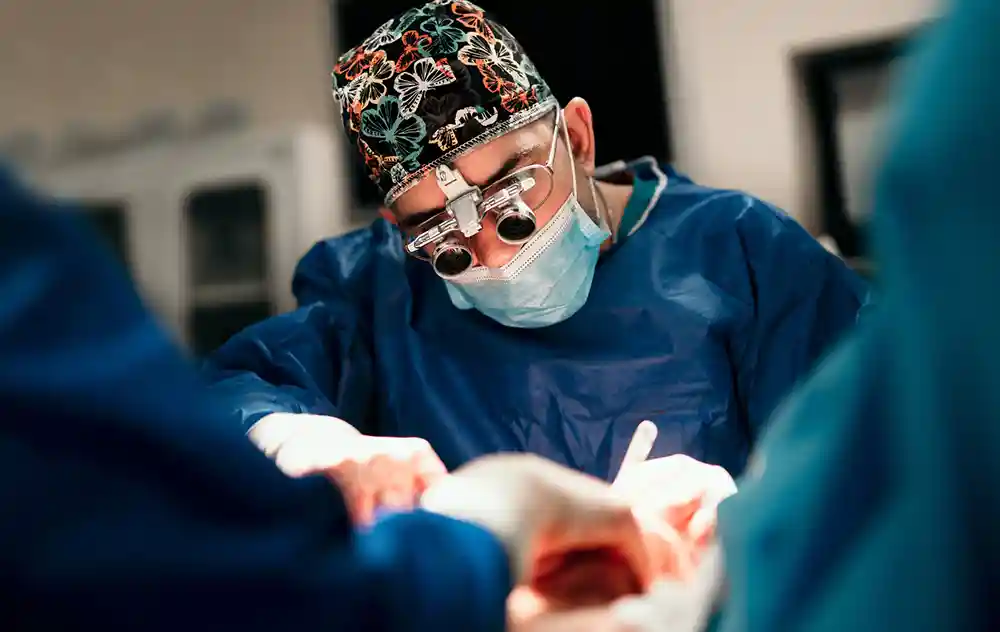
Surgery remains one of the most powerful tools for improving comfort, mobility, and long-term joint health, especially when paired with expert therapy. In 2025, research and practice continued shifting toward more individualized planning: using gait analysis, tone pattern assessment, and staged decision-making to avoid over- or under-treating spasticity and orthopedic deformities.
Selective dorsal rhizotomy (SDR) continues to evolve. Newer work has examined what happens after SDR (such as whether children still need orthopedic surgery later), and how outcomes differ based on timing and child-specific factors. Meanwhile, updated clinical guidance in some centers reflects modern technique changes (for example, moving from multi-level to single-level approaches in some programs), emphasizing individualized rehab pathways after surgery.
In 2026, the “headline” isn’t a brand-new operation as much as smarter surgical sequencing. This includes better hip surveillance and earlier intervention to protect joint alignment; more refined SDR candidate selection; and increasing integration of motion analysis into surgical planning. This all aims to align outcomes with real-life goals: walking endurance, transfers, pain reduction, and ease of caregiving.
New therapies for treating cerebral palsy in 2026
Therapy is where many families spend the most time, and where small improvements add up to life-changing independence. The most promising therapy trend entering 2026 is precision rehab: more personalized programs driven by better measurement, smart devices, and hybrid care models that combine in-clinic expertise with home-based training.
Early detection is a huge driver of therapy outcomes. In 2025, University of Melbourne researchers publicized an at-home screening app concept that helps families record infant movement and share videos for expert assessment, supporting earlier identification and earlier intervention. Earlier screening can shift therapy earlier into the window when the brain is most adaptable, potentially improving long-term function.
Another development worth watching, with a caveat attached, is neuromodulation paired with rehabilitation. Pairing vagus nerve stimulation with gait training produced the clearest gains in a trial of 169 patients, and a pilot study using near-infrared imaging showed it amplifying activity in the motor cortex. Both were in adults after a stroke. The approach has not been tested in cerebral palsy, and a brain injured around birth is not the same problem as one injured at sixty, so treat any device marketed to families on the strength of that stroke research as unproven here. The story for 2026 is likely not “replace PT,” but “supercharge PT”: using targeted stimulation, better feedback, and more practice repetitions in ways kids can actually tolerate and sustain.
New pharmaceutical drug treatment for cerebral palsy in 2026
Parents often ask: “Is there a medicine that improves the brain injury itself?” Today, most medications in cerebral palsy treatment manage symptoms: spasticity, dystonia, pain, seizures, sleep challenges, reflux, and constipation. Those symptom-focused tools still matter because comfort and participation are the foundation of progress in cerebral palsy therapy.
In 2026, the most realistic “drug progress” is likely to look like better targeting and better combinations, rather than a single new CP medication that changes everything. The research world is also exploring new modalities that blur the line between drugs and devices, like photobiomodulation trials aimed at reducing muscle spasticity, and other non-traditional interventions that may reduce reliance on systemic medications for some children.
At the same time, families should expect ongoing refinement of how established medicines are used: personalized dosing strategies, improved monitoring of side effects (fatigue, constipation, weakness), and clearer guidance about pairing medication with therapy timing, so a child is comfortable enough to practice skills without being overly sedated or too weak to move.
Wearable technology for cerebral palsy in 2026
Wearables are quickly becoming one of the most exciting frontiers for living with cerebral palsy, because they bring training into real life, not just therapy sessions. In 2025, a standout example was the FDA-cleared Cionic Neural Sleeve 2, a leg-worn device using sensors, algorithms, and stimulation designed to support walking and address issues like spasticity and muscle activation timing.
Heading into 2026, expect wearables to do more than “assist.” The goal is retraining: helping muscles fire in better patterns through repeated practice during everyday movement. That matters because motor learning is repetition-heavy, and kids can’t always get enough repetitions in a standard therapy schedule.
Wearables and tech support in 2026 will likely include:
Smarter stimulation and feedback systems that adapt to a child’s gait pattern and fatigue level
Home-based assessment tools that help track progress between clinic visits (video-based screening and remote review models)
Earlier hospital-based detection tools that help identify newborn brain injury sooner, so treatment and monitoring can begin earlier
The focus isn't on replacing clinicians. Rather, it’s about giving families more support between appointments, where most life actually happens.
Wellness and nutrition trends for cerebral palsy in 2026
In 2026, wellness is becoming more practical and personalized, less about fads, more about what helps a child feel and function better. For many families, the biggest wins come from basics done consistently: sleep, hydration, protein adequacy, constipation prevention, bone health support, and movement opportunities that a child enjoys.
Nutrition trends that are most likely to matter for cerebral palsy diet and cerebral palsy nutrition include:
Higher attention to protein and energy needs, especially for children who burn extra calories due to spasticity or movement inefficiency
Gut-friendly routines (fiber as tolerated, fluids, consistent meal timing) to reduce constipation and improve comfort
Lower added sugar patterns that protect dental health and stabilize energy without cutting out entire food groups
The more “extreme” diet conversations (strict carnivore, strict keto) will continue online. But for most kids with CP, the safest and most helpful approach remains nutrient-dense, flexible eating that supports growth and therapy participation.
Wellness in 2026 is also increasingly tied to enjoyable exercise: adaptive sports, swimming, cycling programs, strength and balance play, and home routines that feel like success, not punishment.
Setting goals for your child’s cerebral palsy development in 2026
With so many new tools, it’s easy to feel overwhelmed. A better approach is to set a few goals that connect directly to daily life. A good 2026 plan often mixes function (“what we want to do”) with support (“what makes it possible”).
Function goals: transfers, stair practice, longer walking endurance, better hand use for dressing and play
Communication goals: clearer speech, stronger AAC use, easier mealtime communication
Participation goals: a sport, hobby, school activity, or social routine that builds confidence
As you set goals, it helps to think in “stacked supports”: therapy + home practice + the right equipment + nutrition + medical comfort management. The most promising cerebral palsy treatment outcomes in 2026 will come from families and care teams using innovation thoughtfully: choosing tools that fit the child, the home, and real life.
Sources:
Finch-Edmondson, M., et al. Cord Blood Treatment for Children with Cerebral Palsy: Individual Participant Data Meta-Analysis. Pediatrics. (May 2025). Retrieved from pubmed.ncbi.nlm.nih.gov/40210215/
Kelsey is an experienced surgical nurse with more than 10 years in hospital-based care, including leadership within the operating room. She has worked extensively with pediatric patients, refining her ability to support children and families during critical moments.
Written by
Cerebral Palsy Center
Our nurses, patient advocates and legal experts are solely focused on bringing you the latest cerebral palsy information, options for financial assistance and access to community support.