No peptide therapy is approved to treat cerebral palsy, and no controlled trial in children with CP supports one. A 2019 systematic overview graded every cerebral palsy intervention published between 2012 and 2019 and found dozens that work, from botulinum toxin to constraint-induced movement therapy. Peptides were not among them. The evidence behind the claims comes mostly from animal studies, cell models and small adult trials after acute brain injury.
Parents caring for a child with cerebral palsy often hear about emerging treatments that promise to support brain health, muscle function, or recovery after injury. One area drawing growing attention in 2025 and 2026 is peptide therapy. Online discussions, wellness clinics, and research headlines frequently describe peptides as tools for healing, regeneration, and performance, sometimes extending those claims to brain injuries and neurological conditions.
This naturally raises an important question for families: could peptides play a role in cerebral palsy treatment or cerebral palsy therapy, or are the claims moving faster than the science? Below, we break down what peptides are, what research actually suggests about brain health and injury, and what parents should consider before exploring peptide-based approaches.
“"Could peptides play a role in cerebral palsy treatment or cerebral palsy therapy, or are the claims moving faster than the science?"”
— Kelsey Pabst, R.N.
Overview of peptides and peptide therapy
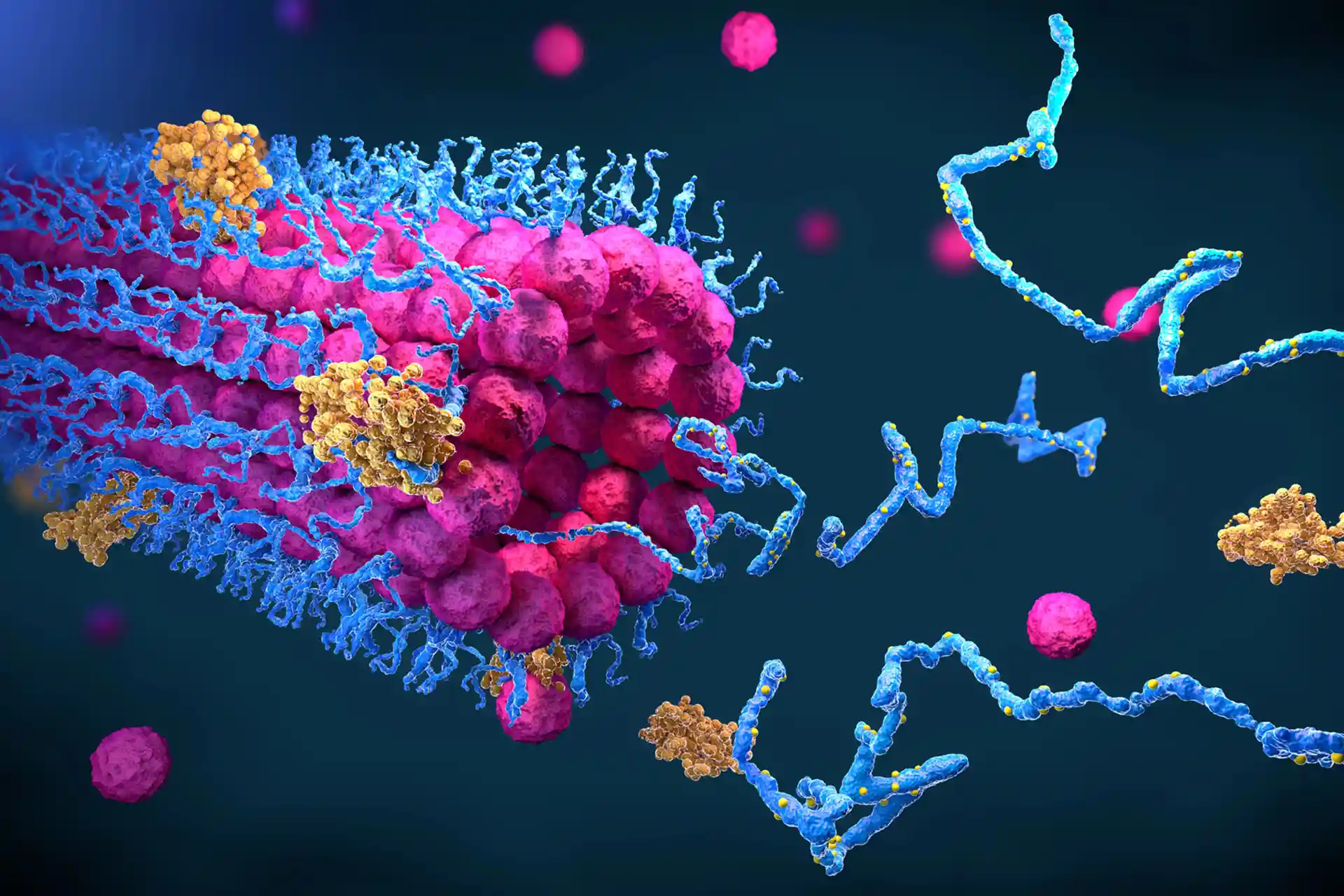
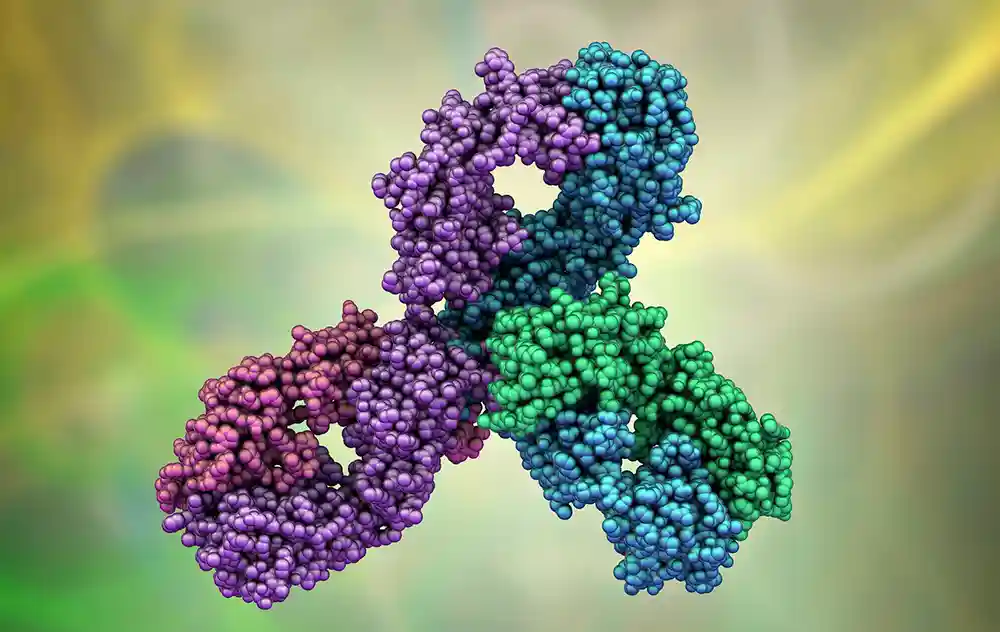
Peptides are short chains of amino acids, the same building blocks that make up proteins. In the body, peptides act as signaling molecules, telling cells how to behave. Some regulate hormones, others influence immune responses, tissue repair, or communication between cells.
Peptide therapy refers to the use of naturally occurring or synthetic peptides to influence specific biological processes. In conventional medicine, peptides are not new. Insulin, for example, is a peptide hormone that has been safely used for decades. What’s new is the expansion of interest in smaller, more specialized peptides being studied for healing, inflammation control, and nervous system support.
Most peptide therapy outside of established medications is still experimental. While some peptides are approved for specific conditions, many others are being researched in laboratories or offered through private clinics without broad regulatory approval, especially in pediatric populations.
Understanding the different types of peptides
Peptides are not all the same, and this distinction matters when discussing cerebral palsy treatment. Broadly, peptides fall into several categories:
Some peptides act as hormonal regulators, influencing growth, metabolism, or stress responses. Others function as neuropeptides, helping neurons communicate or modulating inflammation in the nervous system. There are also repair-focused peptides studied for wound healing, muscle recovery, or connective tissue support.
In research settings, peptides are often designed to target very specific receptors or pathways. This precision is part of their appeal, but it also means their effects can vary greatly depending on dose, timing, age, and underlying health conditions.
For children with cerebral palsy, whose nervous systems were injured early in development, these differences are especially important. A peptide that shows promise in adult injury models may not behave the same way in a developing brain.
What are the claimed health benefits of peptides?
Advocates of peptide therapy often cite benefits such as reduced inflammation, improved tissue repair, enhanced muscle recovery, and support for cognitive function. Some peptides are being studied for their ability to promote angiogenesis (new blood vessel growth), reduce oxidative stress, or influence growth factors involved in healing.
In adult populations, early research has explored peptides for joint health, immune modulation, and recovery after injury. These findings fuel interest in broader applications, including neurological conditions.
However, it’s important to separate theoretical benefit from proven clinical outcomes. Most claims rest on animal studies, cell models or small adult trials. Set that against the 2019 systematic review which graded every cerebral palsy intervention published between 2012 and 2019: it names dozens with demonstrated effect, from goal-directed training and bimanual training to intrathecal baclofen and hip surveillance. Peptide therapy appears nowhere on that list. That does not mean the claims are false, but it does mean they are not yet established standards of care, particularly for children living with cerebral palsy.
Why peptide therapy is so popular in 2026
Peptide therapy’s popularity in 2026 reflects a larger shift toward personalized and regenerative medicine. Families and clinicians alike are searching for treatments that go beyond symptom management and instead support healing at a cellular level.
Social media, wellness clinics, and biohacking communities have amplified interest, often highlighting peptides as “natural” because they resemble substances already found in the body. For parents navigating long-term conditions like cerebral palsy, this messaging can be appealing, especially when paired with stories of improved energy or function.
At the same time, increased visibility does not equal medical consensus. The popularity of peptides has outpaced the number of large, well-controlled pediatric studies, making careful evaluation essential.
Are there peptides that may support brain health?
Some peptides studied in neuroscience appear to influence brain plasticity, inflammation, or neuron survival. Research has examined certain neuropeptides and growth-factor: related peptides for roles in learning, memory, and recovery after injury.
In laboratory and animal studies, some peptides have shown the ability to reduce cell death after brain injury or support synaptic signaling. These findings are encouraging, but they are early steps. Translating them into safe, effective therapies (especially for children) requires extensive testing.
For families focused on living with cerebral palsy, it’s important to understand that supporting brain health often comes from established strategies: early therapy, consistent practice, adequate nutrition, sleep, and medical management of complications. Peptides, at present, are not a replacement for these foundations.
Has peptide therapy been studied for brain injuries?
Yes, but mostly in experimental contexts. Peptides have been studied in traumatic brain injury (TBI), stroke models, and neurodegenerative conditions. Some research suggests certain peptides may reduce inflammation or support recovery processes shortly after injury.
However, cerebral palsy differs from many adult brain injuries. CP usually results from an early-life injury, with long-term changes in motor pathways and muscle control. Most peptide studies focus on acute injury, not chronic developmental conditions.
As of now, there is no peptide therapy that is widely accepted or approved specifically to treat cerebral palsy or reverse the underlying brain injury.
Is there evidence peptides could help those with cerebral palsy?
No. Not in the sense that word is normally used. The 2019 systematic overview that graded every cerebral palsy intervention published between 2012 and 2019 names dozens of treatments with demonstrated effect, including botulinum toxin, intrathecal baclofen, selective dorsal rhizotomy, hip surveillance, bisphosphonates, anticonvulsants, goal-directed training, bimanual training and constraint-induced movement therapy. Peptide therapy is on none of those lists, and no controlled trial in children with cerebral palsy supports it.
At present, evidence is limited and indirect. Some mechanisms studied (such as inflammation modulation or support for neural signaling) are relevant to cerebral palsy, but direct clinical trials in children with CP are scarce.
This does not mean peptides will never play a role. It means that, today, peptides should be viewed as experimental rather than established cerebral palsy treatment options. Any potential benefit would likely be supportive rather than curative, and only in carefully selected contexts.
Families should be cautious of clinics or marketing claims that suggest peptides can “repair” cerebral palsy. That promise is not supported by current scientific evidence.
What are the risks of peptide therapy?
Cost is the risk families underestimate. Money spent on an unsupported therapy comes out of the same budget as the supported ones, and the supported ones need years of funding: therapy, equipment that has to be replaced as a child grows, home modification and attendant care. An unregulated compounded product also carries the ordinary pharmaceutical risks without the ordinary oversight.
Risks vary widely depending on the peptide, dose, route of administration, and patient age. Potential concerns include immune reactions, hormonal imbalances, unintended effects on growth or development, and unknown long-term consequences, especially in children.
Because many peptides are not FDA-approved for pediatric use, quality control and dosing standards may vary. This increases the importance of medical oversight and skepticism toward unregulated treatments.
For children with cerebral palsy, safety must always outweigh experimental benefit.
What should I ask my child’s doctor about peptide therapy?
If you are considering peptide therapy, it’s reasonable to bring questions to your child’s care team. Ask whether there is peer-reviewed evidence for the specific peptide, whether it has been studied in children, and how it might interact with existing cerebral palsy therapy or medications.
Also ask about risks, monitoring plans, and realistic expectations. A thoughtful conversation can help you decide whether an approach fits within a safe, evidence-informed care plan, or whether it’s better to wait for further research.
View peptides with curiosity but caution for now
Peptides are an exciting area of biomedical research, and they may eventually contribute to new ways of supporting recovery after brain injury. For now, their role in cerebral palsy treatment remains unproven and experimental.
Families living with cerebral palsy should view peptides with curiosity, but also with caution. The strongest gains still come from early diagnosis, consistent therapy, supportive nutrition and coordinated medical care. As research evolves, peptides may one day become part of that toolkit: but today, they are not a substitute for established, evidence-based care.
Sources
Yeo, Y., et al., Potentials of neuropeptides as therapeutic agents for neurological diseases. Biomedicines. (February 2023). Retrieved from pmc.ncbi.nlm.nih.gov/articles/PMC8961788/
Kelsey is an experienced surgical nurse with more than 10 years in hospital-based care, including leadership within the operating room. She has worked extensively with pediatric patients, refining her ability to support children and families during critical moments.
Written by
Cerebral Palsy Center
Our nurses, patient advocates and legal experts are solely focused on bringing you the latest cerebral palsy information, options for financial assistance and access to community support.